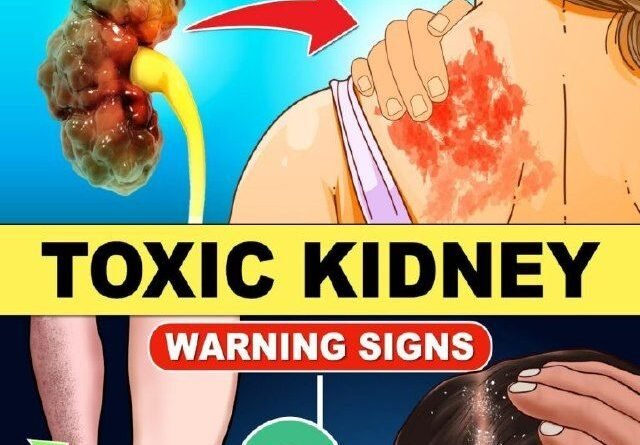
Your kidneys work quietly every single day—filtering waste, balancing fluids, regulating electrolytes, and controlling blood pressure. You rarely think about them… until something goes wrong.
Chronic kidney disease (CKD) is often called a “silent” condition because you can lose a significant amount of kidney function before obvious symptoms appear. That’s why recognizing early warning signs—and getting the right tests—can make a life-changing difference.
The encouraging news? When caught early, kidney disease can often be slowed dramatically with medical care and lifestyle adjustments. Many people delay or even avoid dialysis through early intervention.
Let’s walk through the 9 key warning signs—and the critical tests that protect your kidney health.
🔍 9 Warning Signs Your Kidneys May Be in Trouble
1️⃣ Swelling in Ankles, Feet, Hands, or Around the Eyes
Kidneys regulate fluid balance. When they struggle, excess fluid builds up in tissues, especially in the lower legs and ankles. Morning puffiness around the eyes can also signal protein leakage through the kidneys.
Persistent swelling is not just “water retention.” It deserves evaluation.
2️⃣ Persistent Fatigue or Brain Fog
Healthy kidneys produce erythropoietin, a hormone that stimulates red blood cell production. When kidney function declines, anemia can develop.
Symptoms may include:
- Constant tiredness
- Weakness
- Shortness of breath
- Difficulty concentrating
If you feel exhausted despite adequate sleep, kidney-related anemia could be a cause.
3️⃣ Changes in Urination
Your urine tells a story.
Watch for:
- Foamy or bubbly urine (possible protein leakage)
- Pink, red, or cola-colored urine (possible blood)
- Increased nighttime urination (nocturia)
- Very little output
- Pain or pressure during urination
These are not simply signs of aging—they are potential kidney red flags.
4️⃣ Persistent Itching or Dry Skin
When kidneys cannot remove toxins effectively, waste products build up in the bloodstream. This can cause:
- Unexplained itching
- Dry, flaky skin
- Restlessness at night
Chronic itching without a clear skin condition warrants medical evaluation.
5️⃣ Metallic Taste or Ammonia Breath
Waste buildup in the blood (uremia) can affect taste and appetite.
Some people report:
- Food tasting metallic
- Bad breath despite hygiene
- Reduced appetite
- Nausea
These are late-stage warning signs and should be taken seriously.
6️⃣ Muscle Cramps
Kidney dysfunction can disrupt electrolyte balance—especially calcium, potassium, and sodium.
Imbalances may cause:
- Leg cramps
- Muscle spasms
- Irregular heartbeat (in severe cases)
Electrolyte disturbances require medical testing.
7️⃣ High Blood Pressure That’s Hard to Control
Kidneys and blood pressure are closely linked. Damaged kidneys can raise blood pressure—and uncontrolled high blood pressure can damage kidneys further.
If you require increasing medications to control hypertension, kidney function should be checked.
8️⃣ Shortness of Breath
Fluid overload can accumulate in the lungs when kidneys fail, leading to:
- Breathlessness
- Chest pressure
- Reduced exercise tolerance
This symptom requires urgent evaluation.
9️⃣ Persistent Back or Flank Pain
While not always present in chronic kidney disease, sharp pain in the lower back or sides may indicate:
- Kidney stones
- Infection
- Obstruction
Pain plus urinary changes should never be ignored.
🧪 Critical Tests to Detect Kidney Disease Early
Early detection is key to preventing progression.
Ask your healthcare provider about these essential tests:
✅ 1. Blood Creatinine & eGFR
- Measures how well your kidneys filter waste
- eGFR estimates overall kidney function
- Declining eGFR indicates worsening kidney health
✅ 2. Urine Albumin-to-Creatinine Ratio (ACR)
- Detects protein leakage
- One of the earliest signs of kidney damage
- Especially important for people with diabetes or high blood pressure
✅ 3. Basic Urinalysis
Checks for:
- Blood
- Protein
- Infection
- Specific gravity
Simple, affordable, and very informative.
✅ 4. Electrolyte Panel
Evaluates:
- Potassium
- Sodium
- Bicarbonate
- Calcium
Imbalances may indicate kidney dysfunction.
✅ 5. Kidney Ultrasound (If Indicated)
Used to:
- Identify structural abnormalities
- Detect blockages
- Evaluate kidney size
🌿 How to Protect Your Kidneys and Slow Disease Progression
If you’re diagnosed early, you may significantly slow progression.
💧 1. Control Blood Pressure
Target typically below 130/80 (as directed by your doctor).
🍎 2. Manage Blood Sugar
Diabetes is a leading cause of kidney disease. Tight glucose control protects kidney filters.
🧂 3. Reduce Sodium Intake
Aim for under 2,300 mg per day (or lower if advised).
🥩 4. Moderate Protein Intake
Excess protein can strain damaged kidneys. Your provider may recommend individualized targets.
🚭 5. Stop Smoking
Smoking accelerates kidney damage and cardiovascular risk.
💊 6. Avoid Unnecessary NSAIDs
Frequent use of ibuprofen or similar medications can harm kidney function over time.
🏃 7. Maintain a Healthy Weight
Weight loss can reduce strain on kidneys and improve blood pressure and glucose control.
⚠️ When to Seek Immediate Medical Care
Go to urgent care or emergency services if you experience:
- Severe shortness of breath
- Sudden swelling
- Very little or no urine
- Chest pain
- Confusion
These can signal advanced kidney complications.
Final Thoughts
Kidney disease rarely announces itself loudly. It whispers.
Swelling. Fatigue. Subtle urine changes. Mild itching. Symptoms many people dismiss for months—or years.
But early detection changes everything.
Simple blood and urine tests can identify problems long before dialysis becomes necessary. And with early intervention—managing blood pressure, blood sugar, diet, and medications—many people live full lives without ever needing dialysis.
If you recognize any of these warning signs, don’t panic—but don’t ignore them either. Schedule a check-up, request kidney function testing, and take proactive steps.
Your kidneys may work silently—but protecting them requires action.
And the earlier you act, the better your outcome.


No Responses Yet