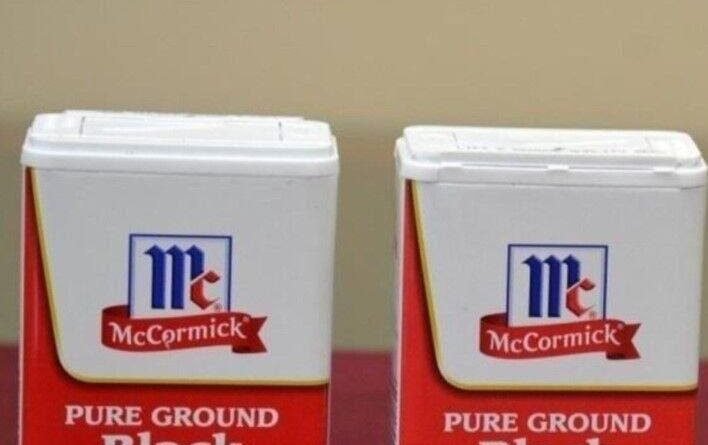
At first glance, it looks like an ordinary spice tin sitting quietly on your kitchen shelf. However, the Pepper Shaker Dilemma reveals something much larger than ground pepper. It highlights a growing debate about transparency, consumer trust, and what honest packaging really means in today’s marketplace.
The Pepper Shaker Dilemma centers on a subtle but noticeable shift: a familiar pepper tin that looks the same on the outside now contains less product inside. Although the label clearly lists the updated weight, the packaging size has not changed. As a result, shoppers may not immediately notice the difference. This small change has sparked a larger conversation about fairness, shrinkflation, and consumer expectations.
For years, many home cooks reached automatically for tins from McCormick & Co.. The brand’s 8-ounce round tins became a standard in American kitchens. Recently, however, consumers observed that certain pepper blends, including the popular “Peppercorn Medley,” now contain only 6 ounces instead of 8. That reduction equals a 25% decrease in product.
Meanwhile, Watkins Inc., a smaller but long-established spice company, publicly criticized the move. They argue that maintaining the same container size while reducing contents can mislead consumers, even if the net weight appears on the label.
This is where the Pepper Shaker Dilemma becomes more than a packaging change. It becomes a question of visibility and trust.
What Changed Inside the Pepper Tin?
Same Tin, Less Pepper
The Pepper Shaker Dilemma began when consumers noticed something subtle. The familiar round tins looked identical in size and design. However, the amount of pepper inside had decreased from 8 ounces to 6 ounces.
Although the label clearly lists the updated weight, many shoppers rely on visual cues when shopping. When packaging size remains unchanged, people often assume the contents remain the same. Therefore, the change can feel surprising once discovered.
From a regulatory standpoint, listing the correct net weight meets labeling requirements. However, from a consumer perception standpoint, the unchanged container can create confusion.
Why Companies Downsize
Manufacturers often reduce product size to offset rising production costs. Ingredients, transportation, labor, and packaging materials have all increased in price over recent years. Instead of raising the sticker price, companies sometimes reduce the amount inside.
This practice, widely known as shrinkflation, allows brands to maintain a familiar price point. However, when customers discover the reduction, frustration often follows.
Understanding Shrinkflation and Consumer Trust
What Is Shrinkflation?
Shrinkflation occurs when a company reduces the quantity of a product while keeping the price the same. Although technically legal when properly labeled, the practice often feels like a hidden price increase.
The Pepper Shaker Dilemma illustrates how shrinkflation can erode trust. Even when the information appears on the label, consumers may feel blindsided if the change is not obvious.
Transparency matters deeply in food products because buyers depend on consistent value. When packaging stays the same but the contents shrink, people question whether they received full disclosure.
The Role of Transparent Packaging
In contrast, Watkins Inc. uses clear glass jars for many of its spices. Customers can see exactly how much product sits inside.
This visual transparency strengthens trust. When shoppers can see the contents, there is no ambiguity. Therefore, the Pepper Shaker Dilemma highlights how packaging design influences perception.
Opaque containers, while practical for protecting spices from light, can make volume changes harder to detect. Clear packaging, on the other hand, makes reductions immediately visible.
Why the Debate Goes Beyond Pepper
Perception Versus Legality
Legally, companies must print accurate net weights. In this case, the weight appears clearly on the label. However, the Pepper Shaker Dilemma centers more on perception than compliance.
Consumers form habits. When they buy the same tin for years, they assume consistency. A size reduction without a visible packaging change can disrupt that expectation.
As a result, this debate touches on the broader issue of ethical marketing. Companies must balance cost management with maintaining consumer confidence.
The Competitive Angle
When Watkins Inc. publicly criticized the downsizing, the issue moved from quiet consumer observation to open industry debate. By highlighting their own transparent packaging, they positioned themselves as a contrast to larger competitors like McCormick & Co..
This dynamic shows how competition can amplify conversations about transparency. Smaller brands often emphasize heritage, trust, and visibility to differentiate themselves.
Therefore, the Pepper Shaker Dilemma serves as both a consumer issue and a competitive marketing moment.
How Shoppers Can Protect Themselves
Read the Net Weight
Although packaging size may not change, net weight always appears on the label. Comparing ounces rather than container size ensures fair value comparisons.
While this extra step takes time, it prevents surprises at home.
Compare Unit Pricing
Most grocery stores list price per ounce on shelf tags. Checking unit pricing allows shoppers to compare products quickly, even if packaging differs.
Because shrinkflation affects many industries, staying aware empowers consumers to make informed decisions.
Frequently Asked Questions
1. Is reducing product size legal?
Yes. Companies may reduce product size as long as they accurately list the net weight on the label.
2. Why don’t companies just raise prices instead?
Some companies prefer downsizing because consumers react strongly to visible price increases.
3. What does shrinkflation mean?
Shrinkflation describes reducing product quantity while maintaining the same price.
4. Does opaque packaging violate regulations?
No. Opaque packaging is allowed as long as labeling remains accurate.
5. How can consumers avoid overpaying?
Reading net weights and checking unit prices helps shoppers compare true value.
Conclusion
The Pepper Shaker Dilemma may seem minor at first. After all, it involves just two ounces of ground pepper. However, it represents something larger: the relationship between companies and consumers.
When packaging remains the same but contents shrink, trust can weaken—even if the label technically complies with regulations. Meanwhile, competitors like Watkins Inc. use transparency as a selling point to build confidence.
Ultimately, the Pepper Shaker Dilemma reminds us that small details matter. In a world of rising costs and changing products, clear communication and honest packaging remain essential for maintaining consumer trust.


No Responses Yet