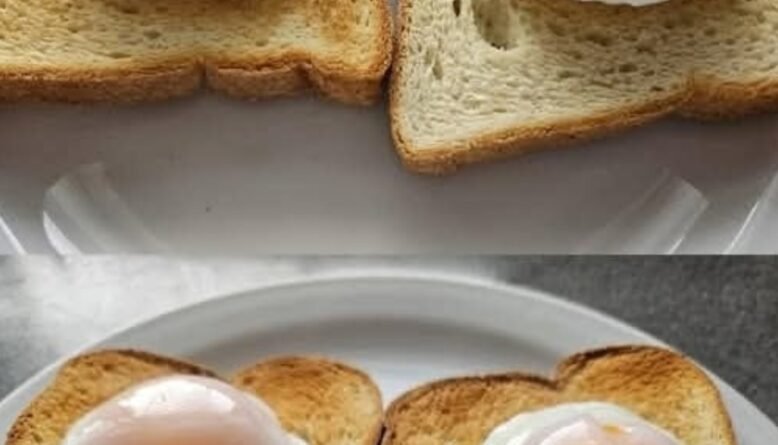
You’ve tried it before. The water boils too hard. You splash in vinegar. You swirl frantically. And somehow, you still end up with wispy, shredded egg whites floating around like ghostly clouds.
Meanwhile, café poached eggs look smooth, compact, and glossy—with tender whites hugging a perfectly runny yolk.
Here’s the good news: you don’t need vinegar. You don’t need swirling. And you definitely don’t need stress.
This foolproof method uses one simple technique that guarantees tender whites, soft centers, and clean edges—every single time. And yes, it takes less than five minutes.
Let’s crack the code.
Why Most Poached Eggs Fail
Before fixing the problem, it helps to understand why poached eggs go wrong in the first place.
Boiling Water Is Too Aggressive
Rolling, bubbling water creates strong currents. Those currents tear delicate egg whites apart before they have time to set.
The result? Stringy, scattered whites.
Older Eggs Spread More
Fresh eggs have firmer whites that hold their shape better. Older eggs contain thinner whites that separate and feather out in water.
Vinegar Is Not Essential
While vinegar can help whites coagulate faster, it can also add subtle sourness and isn’t necessary if you control the water temperature properly.
Swirling Is Overrated
The swirling method works for one egg at a time, but it’s inconsistent and difficult when cooking multiple eggs.
The real secret? Gentle heat and proper preparation.
The Foolproof Method for Perfect Poached Eggs
What You’ll Need
- Fresh eggs
- A wide saucepan or skillet
- Water
- A small fine-mesh strainer (optional but highly recommended)
- A slotted spoon
That’s it. No vinegar. No gadgets. No drama.
Step 1: Heat the Water Gently
Fill a wide saucepan with about 2–3 inches of water.
Bring it to a gentle simmer—not a boil. You want tiny bubbles forming at the bottom, but the surface should stay mostly calm.
If the water is actively bubbling, reduce the heat.
Gentle heat protects the egg’s structure.
Step 2: Strain the Egg (Game-Changing Trick)
Crack the egg into a small bowl first.
Then pour it into a fine-mesh strainer for about 10–15 seconds.
This removes the loose, watery part of the white—the part that causes stringy edges.
Transfer the strained egg back into the bowl.
This one step makes the biggest difference.
Step 3: Lower the Egg Gently
Bring the bowl close to the water’s surface.
Gently slide the egg into the simmering water.
Do not stir. Do not swirl.
The whites will naturally wrap around the yolk as they set.
Step 4: Cook 3–4 Minutes
For a runny yolk and fully set whites, cook for about 3 to 4 minutes.
Avoid touching the egg during this time.
If cooking multiple eggs, give them a little space in the pan.
Step 5: Remove and Drain
Use a slotted spoon to lift the egg carefully from the water.
Place it briefly on a paper towel to remove excess water.
Now it’s ready to serve.
How to Tell When It’s Done
- The whites should be fully opaque and set
- The yolk should feel soft but slightly springy
- The egg should hold a neat oval shape
If unsure, you can gently press the white with a spoon—it should feel firm.
Common Questions
Can I Poach Eggs Ahead of Time?
Yes. Cook them slightly under your preferred doneness, then transfer to an ice water bath.
Store in the refrigerator for up to 24 hours.
To reheat, place in warm (not boiling) water for 30–60 seconds.
What If My Egg Still Spreads?
Check two things:
- Is your water too hot?
- Are your eggs very fresh?
Lower the heat and try the straining step carefully.
Can I Skip the Strainer?
You can, but the strainer dramatically improves the final appearance.
If presentation matters, don’t skip it.
Best Ways to Serve Poached Eggs
Perfectly poached eggs elevate almost anything:
- On avocado toast
- Over sautéed greens
- On top of grain bowls
- With roasted vegetables
- On English muffins for Eggs Benedict
- Over a simple salad
The creamy yolk acts like a sauce.
Final Thoughts
Making perfectly poached eggs does not require vinegar, swirling water, or kitchen acrobatics.
Instead, focus on three things:
- Gentle simmering water
- Fresh eggs
- Straining away excess whites
Once you master this method, poached eggs stop being intimidating. They become reliable.
And when you cut into that silky white and the golden yolk flows perfectly onto your plate, you’ll realize something wonderful:
It was never complicated—you just needed the right technique.

)
)
No Responses Yet