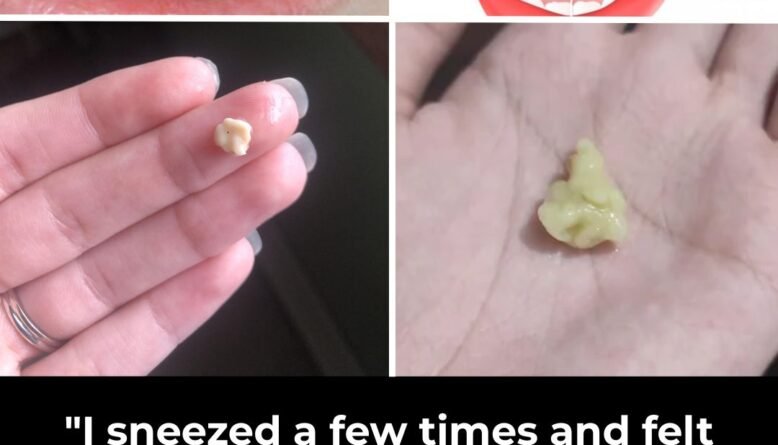
Here’s what you need to know about tonsil stones if you’ve ever noticed small white lumps at the back of your throat or experienced persistent bad breath that doesn’t improve with brushing. Tonsil stones, medically called tonsilloliths, are common and usually harmless. However, they can be uncomfortable and sometimes embarrassing.
Although they may look alarming, tonsil stones rarely signal a serious medical issue. Understanding why they form and how to manage them can help you feel more in control and less concerned.
Let’s break it down clearly.
What Are Tonsil Stones?
Tonsil stones are small, hardened deposits that form in the crevices (crypts) of your tonsils. Your tonsils contain folds and pockets where debris can become trapped.
Over time, trapped material such as:
- Food particles
- Mucus
- Dead cells
- Bacteria
can collect and calcify, forming small white or yellowish stones.
Some tonsil stones are tiny and barely noticeable. Others can grow larger and cause symptoms.
Why Do Tonsil Stones Form?
1. Deep Tonsil Crypts
Some people naturally have larger or deeper tonsil folds. Because these pockets trap debris more easily, they increase the risk of stone formation.
2. Poor Oral Hygiene
Inadequate brushing, flossing, or tongue cleaning allows bacteria and debris to accumulate. Over time, this buildup may contribute to tonsil stones.
Maintaining consistent oral care significantly reduces risk.
3. Chronic Tonsillitis
Repeated tonsil infections cause inflammation and may enlarge tonsil crypts. As a result, debris becomes trapped more frequently.
4. Post-Nasal Drip
Excess mucus from allergies or sinus issues can collect in the throat and contribute to buildup in the tonsils.
Symptoms of Tonsil Stones
Many people do not notice small stones at all. However, when symptoms appear, they may include:
- Persistent bad breath (halitosis)
- A sore or scratchy throat
- Difficulty swallowing
- Ear pain (referred pain from shared nerves)
- Visible white or yellow spots on the tonsils
- A metallic or unpleasant taste
Bad breath is the most common complaint. This happens because bacteria trapped in the stones produce sulfur compounds.
Are Tonsil Stones Dangerous?
In most cases, tonsil stones are harmless. They are not cancerous and rarely lead to serious complications.
However, very large stones can cause discomfort or contribute to repeated infections. If you experience frequent throat pain, swelling, or fever, consult a healthcare provider to rule out infection.
How to Remove Tonsil Stones Safely
1. Gargling
Gargling with warm salt water may loosen small stones and reduce bacteria.
Some people also use non-alcoholic antibacterial mouthwash.
2. Gentle Removal
Small stones sometimes dislodge naturally when coughing or gargling.
If attempting removal at home:
- Use a clean cotton swab
- Apply very gentle pressure
- Avoid sharp objects
Never force removal, as this can cause injury or infection.
3. Oral Irrigators (With Caution)
A low-pressure water flosser can sometimes help remove stones. However, high pressure may damage delicate tissue.
If unsure, consult a dental professional.
When to See a Doctor
Seek medical advice if:
- Stones are large and painful
- You experience repeated infections
- Swelling interferes with breathing or swallowing
- Home remedies fail and symptoms persist
In rare, severe cases, doctors may recommend procedures such as cryptolysis (smoothing tonsil surfaces) or tonsillectomy.
How to Prevent Tonsil Stones
Maintain Excellent Oral Hygiene
- Brush teeth twice daily
- Floss daily
- Clean your tongue
- Use non-alcoholic mouthwash
Because bacteria contribute to stone formation, reducing bacterial buildup is key.
Stay Hydrated
Drinking enough water helps prevent dry mouth and reduces debris accumulation.
Manage Sinus Issues
Treating allergies or chronic sinus problems reduces post-nasal drip and mucus buildup.
Regular Dental Checkups
Routine cleanings help minimize oral bacteria that contribute to tonsil stone formation.
Frequently Asked Questions
Can tonsil stones go away on their own?
Yes. Many small stones dislodge naturally.
Do tonsil stones cause bad breath?
Yes. They are a common cause of persistent bad breath.
Are tonsil stones contagious?
No. They are not contagious.
Can children get tonsil stones?
Yes, but they are more common in adolescents and adults.
Will removing tonsils prevent stones permanently?
Yes. Tonsillectomy eliminates the tissue where stones form, but it is usually reserved for severe or recurring cases.
Conclusion
Here’s what you need to know about tonsil stones: they are common, usually harmless, and manageable with good oral hygiene and simple home care. Although they can cause discomfort and bad breath, they rarely signal a serious health problem.
By maintaining strong oral hygiene habits, staying hydrated, and addressing sinus or throat issues promptly, you can significantly reduce your risk of developing them.
If symptoms become persistent or painful, medical evaluation ensures proper treatment and peace of mind. In most cases, however, tonsil stones are simply an inconvenient—but manageable—part of oral health.


No Responses Yet