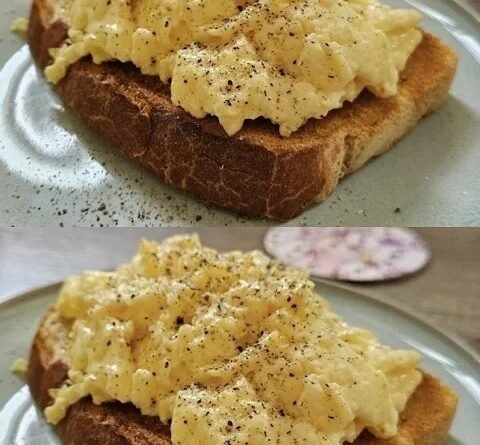
How to Make Perfect Scrambled Eggs is a question every home cook asks at some point. Although scrambled eggs seem simple, the difference between dry, rubbery eggs and creamy, fluffy perfection comes down to technique. With the right method, you can make scrambled eggs that are soft, velvety, and rich every single time.
Because scrambled eggs cook quickly, small adjustments in heat and timing make a big difference. Once you master How to Make Perfect Scrambled Eggs, breakfast becomes effortless and consistently delicious. Whether you serve them on toast, alongside bacon, or folded into a breakfast sandwich, these eggs will become your go-to morning favorite.
The first time I truly focused on learning How to Make Perfect Scrambled Eggs, I realized I had always cooked them too fast. I lowered the heat, stirred gently, and removed them from the pan just before they looked fully done. The result surprised me. The eggs turned out creamy and soft instead of dry. Since then, I never rush this simple dish again.
Let’s break it down step by step.
Why Perfect Scrambled Eggs Are Worth Learning
Creamy and Fluffy Texture
When you cook scrambled eggs low and slow, they develop a soft, custard-like texture. Instead of firm curds that feel dry, you get tender folds that melt in your mouth.
Because eggs continue cooking even after you remove them from heat, timing becomes essential. Pulling them off the stove slightly early ensures they stay moist and fluffy.
Quick, Easy, and Customizable
Although technique matters, the ingredient list stays simple. With just eggs, milk, butter, and seasoning, you can create a satisfying breakfast in under 10 minutes.
Additionally, scrambled eggs adapt easily. You can stir in shredded cheese, fresh herbs, sautéed vegetables, or smoked salmon. Once you understand How to Make Perfect Scrambled Eggs, you can customize them endlessly.
Ingredients for Perfect Scrambled Eggs
(Serves 2–3)
- 6 large eggs
- ¼ cup whole milk (or cream for extra richness)
- Salt and black pepper, to taste
- 1 tablespoon unsalted butter (or olive oil)
Optional additions:
- Shredded cheese
- Chopped chives
- Diced vegetables
- Smoked salmon
Whole milk keeps the eggs tender. Cream makes them richer. However, you can also skip dairy entirely if preferred.
How to Make Perfect Scrambled Eggs Step by Step
Step 1: Whisk Thoroughly
Crack the eggs into a mixing bowl. Add milk, salt, and pepper. Whisk until the mixture becomes fully blended and slightly frothy.
Because whisking incorporates air, it helps create fluffy eggs. Make sure no streaks of egg white remain visible.
Step 2: Use Low Heat
Place a nonstick skillet over low to medium-low heat. Add butter and allow it to melt gently without browning.
Pour in the egg mixture. Let it sit undisturbed for about 20 seconds, just until the edges begin to set.
Step 3: Stir Gently and Slowly
Using a spatula, gently push the eggs from the edges toward the center. Continue stirring slowly in sweeping motions. Avoid constant rapid stirring.
Because gentle movement forms soft curds, this technique ensures creamy results. If the eggs begin cooking too quickly, reduce the heat immediately.
Step 4: Remove Early
When the eggs look mostly set but still slightly glossy, remove the pan from heat. They will continue cooking from residual heat.
This step is key when learning How to Make Perfect Scrambled Eggs. If you wait until they look fully dry in the pan, they will overcook.
Tips for Making Perfect Scrambled Eggs Every Time
Keep the Heat Low
High heat causes eggs to firm up too quickly, resulting in a rubbery texture. Always cook slowly for the best results.
Do Not Over-Stir
Although you should stir gently, avoid breaking the curds too much. Larger, soft folds create better texture.
Season at the Right Time
You can season before cooking, but adding a small pinch of salt at the end enhances flavor even more.
Flavor Variations
Once you master How to Make Perfect Scrambled Eggs, try these additions:
- Cheesy: Stir in shredded cheddar or mozzarella at the end.
- Herb-Infused: Add chopped chives, parsley, or dill.
- Savory Boost: Mix in sautéed mushrooms or spinach.
- Protein-Packed: Top with smoked salmon or crispy bacon.
Because scrambled eggs are so versatile, they pair beautifully with toast, avocado, roasted potatoes, or breakfast meats.
Frequently Asked Questions
Can I skip the milk?
Yes. Scrambled eggs still turn out creamy without milk, especially if cooked slowly.
Why are my scrambled eggs watery?
Watery eggs usually result from high heat or overcooking. Cook gently and remove early.
Can I reheat scrambled eggs?
Yes, but reheat slowly over low heat or in short microwave bursts to prevent drying out.
Should I use butter or oil?
Butter adds flavor, while oil prevents sticking. Either works well.
How do I make them extra creamy?
Use cream instead of milk and cook over very low heat while stirring gently.
Conclusion
Learning How to Make Perfect Scrambled Eggs transforms an everyday breakfast into something truly satisfying. With low heat, gentle stirring, and proper timing, you can create eggs that are creamy, fluffy, and full of flavor.
Because the technique is simple and quick, you can enjoy restaurant-quality scrambled eggs at home any day of the week. Once you master this method, dry and rubbery eggs will be a thing of the past.


No Responses Yet