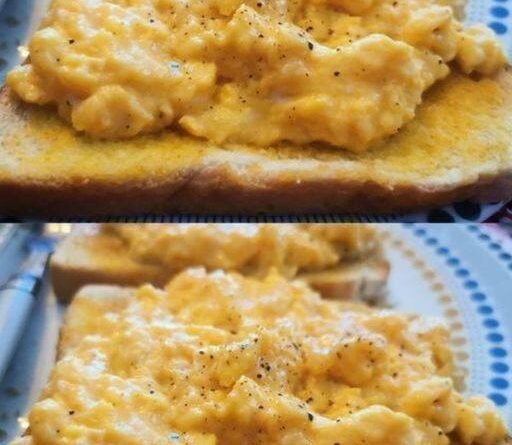
How to Cook Scrambled Eggs Perfectly Every Time is a skill every home cook should master. Scrambled eggs may seem simple, yet achieving that creamy, fluffy texture requires the right technique. When you cook them gently and pay attention to timing, you transform ordinary eggs into a rich, velvety breakfast that feels special every single time.
Although scrambled eggs cook quickly, small adjustments make a big difference. Therefore, once you understand heat control and stirring technique, you will never end up with dry or rubbery eggs again. Instead, you will serve soft, custardy eggs that melt in your mouth.
I still remember the mornings when I rushed through breakfast and ended up with overcooked eggs. They looked fine at first, but one bite revealed their dryness. Eventually, I slowed down and learned to cook them gently. The first time I pulled perfectly creamy eggs off the stove felt like a small victory. Since then, I treat scrambled eggs as a quick ritual rather than a rushed task, and the results always reward the extra care.
Why Scrambled Eggs Deserve Attention
Creamy Texture Starts With Technique
Scrambled eggs depend more on method than ingredients. Although eggs contain natural richness, high heat quickly turns them tough. Therefore, cooking low and slow allows the proteins to set gradually. As a result, the curds stay soft and tender.
Additionally, constant gentle stirring creates small, delicate folds instead of large dry chunks. Because of this, texture improves dramatically with patience. Even though the entire process takes less than ten minutes, careful movement makes all the difference.
Quick, Affordable, and Versatile
Scrambled eggs offer convenience without sacrificing flavor. You need only a few ingredients, and preparation takes minutes. However, you can elevate them easily.
Add shredded cheese for richness. Stir in chopped herbs for freshness. Mix in sautéed vegetables for extra nutrition. Therefore, scrambled eggs work for breakfast, brunch, or even a light dinner. Their adaptability makes them a reliable staple in any kitchen.
Ingredients for Perfect Scrambled Eggs
Basic Ingredients
- 4 large eggs
- 2 tablespoons whole milk or heavy cream (optional for extra creaminess)
- 1 tablespoon unsalted butter
- Salt, to taste
- Freshly ground black pepper, to taste
Eggs form the foundation, of course. Meanwhile, butter adds richness and prevents sticking. A small splash of milk or cream softens the texture slightly. However, you can skip it if you prefer pure egg flavor.
Optional Add-Ins
While the basic recipe shines alone, you can customize it easily:
- Shredded cheddar, feta, or goat cheese
- Chopped chives, parsley, or green onions
- Diced sautéed mushrooms or spinach
- A pinch of paprika or garlic powder
Add these extras at the end of cooking. Otherwise, they may release moisture and affect the texture.
Step-by-Step Method for Fluffy Eggs
1. Whisk Thoroughly
Crack the eggs into a bowl. Add milk if using. Whisk vigorously until the yolks and whites fully combine. The mixture should look pale and slightly frothy.
This step incorporates air. Therefore, proper whisking helps create lighter curds.
2. Heat the Pan Gently
Place a nonstick skillet over low heat. Add butter and let it melt slowly. Do not allow it to brown. Because high heat causes rapid cooking, keeping the temperature low ensures better control.
3. Cook Low and Stir Slowly
Pour the eggs into the pan. Wait a few seconds until the edges begin to set. Then use a spatula to gently push the eggs from the edges toward the center. Continue slowly folding the eggs.
Instead of stirring constantly in circles, pull and fold the mixture across the pan. As the eggs thicken, remove the pan briefly from heat if needed. This technique prevents overcooking.
4. Remove Before Fully Set
Scrambled eggs continue cooking from residual heat. Therefore, remove them from the pan while they still look slightly glossy. Season with salt and pepper at the end.
Serve immediately for best texture.
Common Mistakes to Avoid
Cooking Over High Heat
High heat may seem faster. However, it leads to rubbery eggs. Because proteins tighten quickly, the eggs lose moisture. Always choose low to medium-low heat instead.
Overcooking
Eggs firm up rapidly. Therefore, pulling them off the stove slightly early keeps them creamy. If you wait until they look fully cooked, they will likely turn dry by the time you serve them.
Over-Stirring
Although gentle movement helps, aggressive stirring breaks curds too much. Aim for slow folds rather than constant agitation.
Serving Ideas for Scrambled Eggs
Classic Breakfast Plate
Serve scrambled eggs alongside toast and fresh fruit. Because the eggs stay soft, they pair beautifully with crispy bread.
Elevated Brunch Option
Spoon scrambled eggs over buttered sourdough. Top with avocado slices or smoked salmon for a more elegant presentation. Additionally, sprinkle fresh herbs for color and flavor.
You can even fold the eggs into a breakfast burrito. Their creamy texture balances tortillas perfectly.
Frequently Asked Questions
1. Should I add milk to scrambled eggs?
Milk adds slight creaminess, but it is optional. Eggs alone work beautifully.
2. Why are my scrambled eggs watery?
You may have added too much liquid or cooked them too quickly.
3. Can I make scrambled eggs ahead of time?
They taste best fresh. However, you can gently reheat them on low heat.
4. What pan works best?
A nonstick skillet allows easy stirring and prevents sticking.
5. How do I keep them soft?
Cook on low heat and remove them slightly before fully set.
Conclusion
How to Cook Scrambled Eggs Perfectly Every Time comes down to patience and gentle heat. Although scrambled eggs seem simple, careful technique transforms them into something truly satisfying. By whisking thoroughly, cooking slowly, and removing them at the right moment, you guarantee creamy, fluffy eggs every single time.
Once you master this method, breakfast becomes effortless and consistently delicious. Keep the heat low, stay attentive, and enjoy the soft, velvety results on your plate.


No Responses Yet