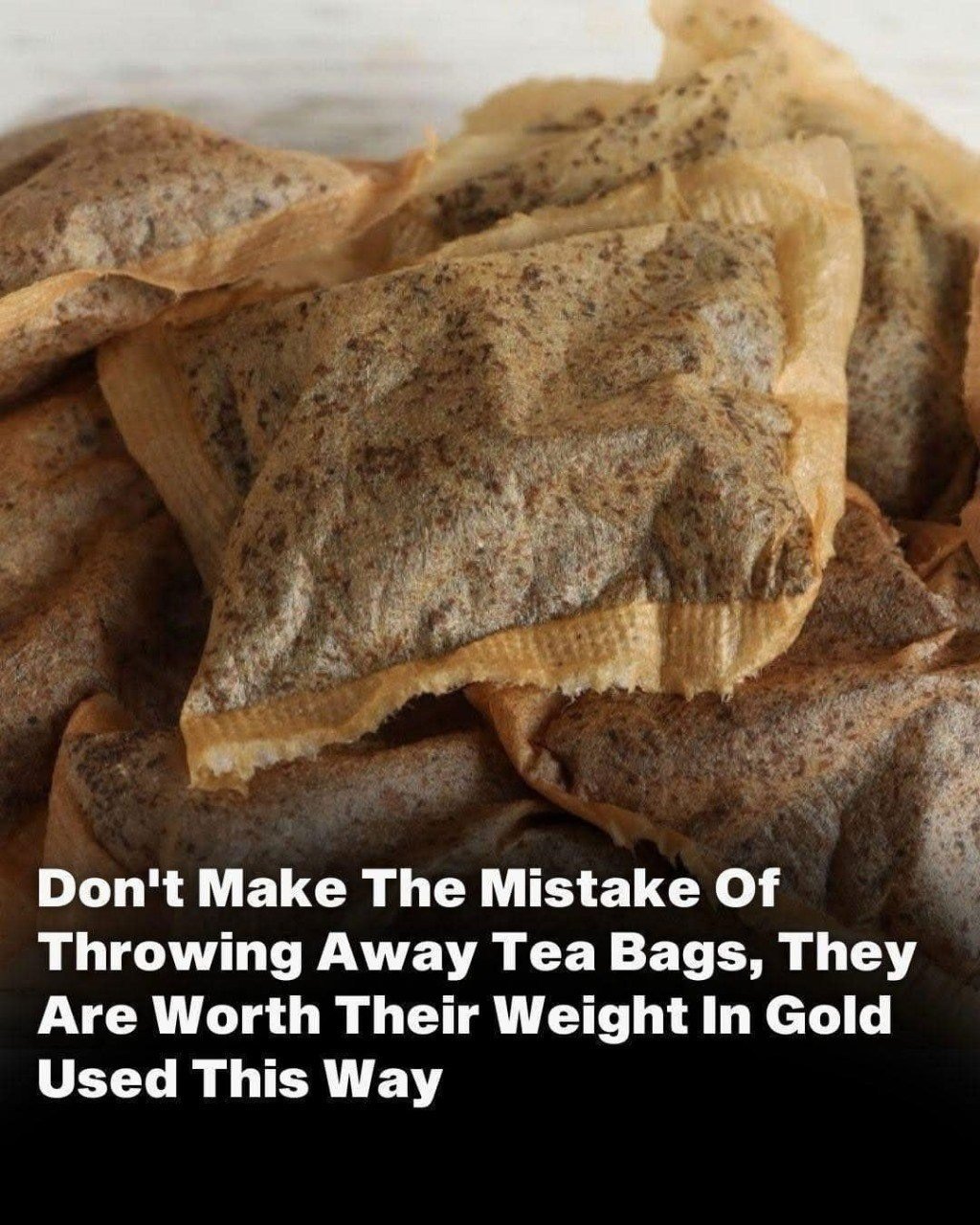
You’ve brewed your tea and enjoyed the moment—but before you toss that used teabag in the trash, pause. That little sachet is far from useless. Used teabags still contain tannins, antioxidants, caffeine, and organic plant compounds that make them surprisingly valuable around the house.
From self-care to cleaning to gardening, old teabags can be reused in smart, practical, and even science-backed ways. Reusing them saves money, reduces waste, and adds a few clever tricks to your daily routine.
Here are some of the best and most effective ways to reuse old teabags—most using things you already have at home.
☕ 1. Soothe Tired, Puffy Eyes
Long screen time, allergies, or poor sleep often lead to puffy, irritated eyes. Used tea bags offer a simple, natural solution.
Why it works
Caffeine constricts blood vessels, reducing swelling, while tannins and antioxidants calm inflammation.
How to use
- Save 2 used black or green tea bags
- Chill them in the refrigerator for 10–15 minutes
- Place over closed eyes for 10–15 minutes
Green tea is especially helpful thanks to EGCG, a powerful antioxidant linked to reduced puffiness and dark circles.
🌿 2. Feed Your Plants and Garden
Tea leaves are rich in nitrogen and trace minerals, which plants love.
Best uses
- Composting: Tear open used teabags and add the leaves to compost
- Direct soil use: Bury tea leaves near plants to enrich soil
- Watering boost: Brew a weak “tea tea” (used bags + water) and water acid-loving plants
Best plants for tea leaves
- Roses
- Ferns
- Tomatoes
- Blueberries
Avoid flavored or heavily scented teas for this purpose.
🧼 3. Natural Deodorizer for Shoes and Small Spaces
Tea bags absorb moisture and neutralize odors—making them great natural deodorizers.
Where to use them
- Shoes
- Gym bags
- Refrigerators
- Trash cans
How to use
Dry used tea bags completely, then place them where odors build up. Replace every few days.
🪟 4. Clean Glass and Mirrors
Black tea contains tannins that cut through grease and leave surfaces streak-free.
How to use
- Brew a cup using 2–3 used black tea bags
- Let it cool
- Use a soft cloth to wipe mirrors or windows
This works especially well on bathroom mirrors and kitchen glass.
🩹 5. Calm Minor Skin Irritations
Used tea bags can help soothe:
- Minor burns
- Bug bites
- Razor irritation
Why it works
Tannins have astringent and anti-inflammatory properties that reduce redness and irritation.
How to use
Cool the used tea bag and apply directly to the affected area for 10 minutes.
🧄 6. Neutralize Strong Food Odors on Hands
Garlic, onions, and fish leave stubborn smells behind.
Quick fix
Rub a damp used tea bag between your hands, then rinse with water. The tannins help neutralize odor-causing compounds.
🧂 7. Tenderize Meat Naturally
Black tea contains tannins that gently break down protein fibers.
How to use
- Brew a strong tea with used bags
- Cool completely
- Use as part of a marinade for tougher cuts of meat
This works best for short marinating times.
🪑 8. Polish Wooden Furniture
Tea can restore shine to wood without harsh chemicals.
How to use
- Brew weak tea using used black tea bags
- Dip a cloth, wring well
- Wipe wooden surfaces gently
This helps bring out natural wood tones while removing dust.
🐜 9. Deter Household Pests
Some insects dislike the smell of tea tannins.
Try placing used tea bags near
- Ant entry points
- Windowsills
- Pantry corners
Peppermint or citrus-infused teas may enhance this effect.
⚠️ A Few Things to Avoid
- Do not reuse teabags for drinking (flavor and safety decline)
- Avoid using moldy or improperly stored bags
- Skip herbal teas with oils for cleaning or plants
Always let teabags cool and dry before reuse.
Conclusion
Old teabags are one of the most overlooked everyday items with second-life potential. Whether you’re soothing tired eyes, feeding plants, freshening your home, or cleaning naturally, these simple reuses turn waste into value.
The next time you finish a cup of tea, don’t throw that bag away. With a little creativity, it can keep working long after the last sip—saving money, reducing waste, and making daily life just a bit smarter.

)
)
No Responses Yet