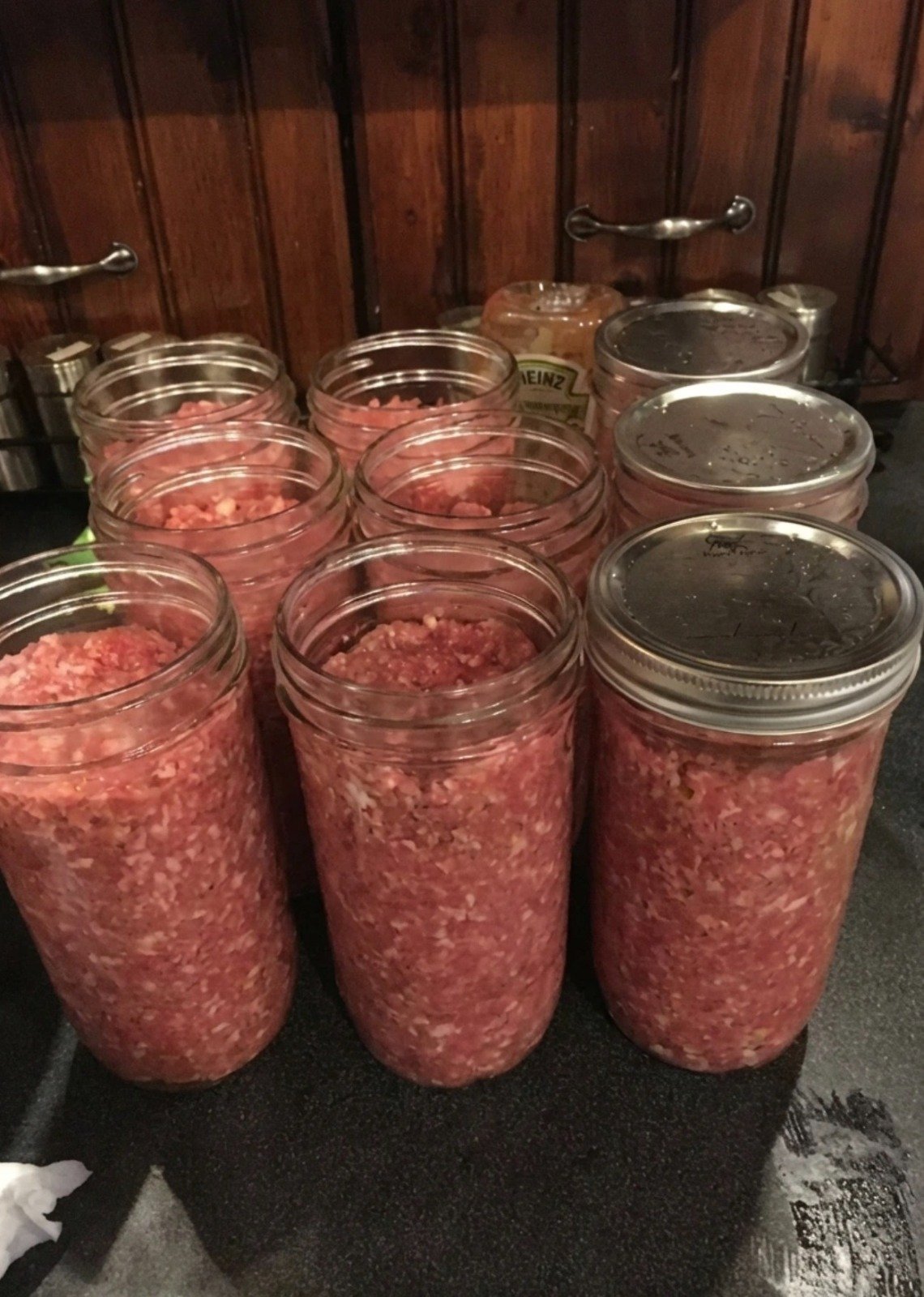
Canning Meatloaf sounds like the ultimate convenience. The idea of opening a jar of hearty, ready-to-eat meatloaf straight from your pantry is appealing, especially for busy weeknights or emergency food storage. However, food safety experts are clear and consistent on this topic: home canning meatloaf is not considered safe.
Organizations like the USDA and the National Center for Home Food Preservation strongly advise against canning meatloaf at home. This guidance is not based on preference or tradition but on microbiology and heat science. Understanding why canning meatloaf is unsafe helps protect you and your family while still allowing you to preserve food in safer ways.
Why Canning Meatloaf Is Unsafe
Density Prevents Proper Heat Penetration
The biggest issue with canning meatloaf is density. Meatloaf is a compact mixture of ground meat, eggs, breadcrumbs, and sometimes vegetables. During pressure canning, heat must penetrate all the way to the coldest spot in the jar and remain there long enough to destroy harmful microorganisms.
With meatloaf, that heat simply cannot move reliably through the dense mass. As a result, the center may never reach a temperature high enough to kill dangerous bacteria, even if the jar appears properly sealed.
This is not a small concern. In canning, even one unsafe jar can be life-threatening.
No Tested Processing Time Exists
Safe home canning depends on recipes and processing times that have been scientifically tested. These tests measure heat penetration, acidity, density, and moisture to ensure bacteria are destroyed.
There are no tested or approved canning instructions for meatloaf from any reputable authority. Without a validated processing time, there is no way to guarantee safety, regardless of how long the jars are processed or how experienced the canner may be.
Recipes found online, in old cookbooks, or shared on social media are not substitutes for laboratory-tested guidelines.
The Real Risk: Botulism
Why Botulism Is the Primary Concern
The most serious risk in canning meatloaf is botulism, caused by Clostridium botulinum. This bacterium forms spores that survive normal cooking temperatures. In low-acid, oxygen-free environments like sealed jars, those spores can grow and produce a toxin that is extremely dangerous.
Botulism toxin has no smell, no taste, and no visible signs. A jar can look perfectly normal and still be deadly.
Because meatloaf is low in acid and highly dense, it creates ideal conditions for botulism if improperly canned.
Pressure Canning Alone Is Not Enough
Some people assume that using a pressure canner automatically makes meatloaf safe. Unfortunately, this is not true. Pressure canning only works when the food inside the jar allows heat to move predictably and evenly.
With meatloaf, the structure itself blocks that heat movement. This is why experts unanimously advise against attempting it at home.
Safe Alternatives to Canning Meatloaf
Pressure Can Plain Ground Meat Instead
If your goal is shelf-stable protein, pressure canning plain ground meat is a safe and approved option when done according to tested guidelines. Ground meat that is loose, crumbly, and free of binders allows heat to penetrate properly.
Once opened, you can turn that canned meat into meatloaf, tacos, casseroles, or sauces.
Freeze Meatloaf for Long-Term Storage
Freezing is the safest and most practical way to preserve meatloaf. You can freeze it:
- Raw, shaped into loaves
- Fully cooked and sliced
- Par-baked and finished later
Properly wrapped meatloaf keeps well in the freezer for several months and maintains good texture and flavor.
Can Meatloaf Ingredients Separately
Another smart option is canning ingredients separately. Pressure can ground meat, and water-bath or pressure can vegetables as appropriate. When you are ready to cook, combine them fresh with eggs and breadcrumbs.
This approach gives you flexibility without compromising safety.
I once heard someone proudly describe jars of home-canned meatloaf lining their pantry shelves. At first, it sounded impressive. Later, after learning what food safety experts actually say, that story felt far less comforting. It was a reminder that some traditional practices persist not because they are safe, but because the risks were not fully understood at the time. Knowing better allows us to do better.
Common Myths About Canning Meatloaf
“My Family Has Always Done It This Way”
Longevity does not equal safety. Botulism cases are rare, but when they occur, they are often linked to untested home canning methods that people believed were safe due to tradition.
“If the Jar Seals, It’s Safe”
A sealed jar only means air was removed. It does not mean the food inside reached a safe temperature. Botulism thrives in sealed, low-oxygen environments.
“Cooking It Again Will Make It Safe”
Botulism toxin can sometimes be destroyed by boiling, but relying on reheating to fix unsafe canning is extremely risky and not recommended.
Frequently Asked Questions
Can meatloaf be water-bath canned?
No. Meatloaf is a low-acid food and cannot be safely water-bath canned.
Is commercially canned meatloaf safe?
Yes. Commercial products are processed using industrial equipment and validated methods not available to home canners.
Can I can meatballs instead of meatloaf?
Only if following tested recipes where meatballs are loose and processed correctly. Dense, compact meat products are unsafe.
What if I leave out eggs or breadcrumbs?
Even without binders, formed meatloaf remains too dense for safe home canning.
What is the safest preservation method for meatloaf?
Freezing is the safest and most reliable option.
Conclusion
Canning Meatloaf may sound appealing, but food safety experts are clear: it is not a safe practice for home canners. The density of meatloaf, lack of tested processing times, and real risk of botulism make it a preservation method best avoided.
Fortunately, there are safe alternatives. Pressure can plain ground meat, freeze meatloaf in portions, or preserve ingredients separately. These methods protect your health while still offering convenience and preparedness.
When it comes to food preservation, safety is never optional. Choosing tested, science-backed methods ensures that the meals you store today will nourish you safely tomorrow.


No Responses Yet