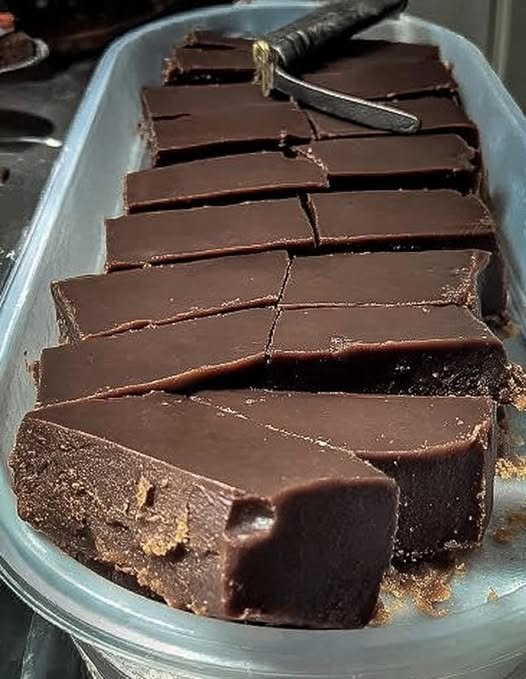
Old Fashioned Fudge is one of those timeless treats that carries memories in every bite. Dense, velvety, and deeply chocolatey, this classic stovetop fudge is made the way it was decades ago—no marshmallows, no condensed milk, and no shortcuts. Just simple ingredients, careful timing, and a little patience rewarded with perfectly smooth fudge that melts in your mouth.
This Old Fashioned Fudge recipe delivers the kind of texture modern versions often miss. It is firm yet creamy, rich without being cloying, and balanced with a subtle hint of vanilla that rounds out the chocolate. Whether you are making it for the holidays, gifting it to friends, or enjoying a square with coffee, this is the fudge that tastes like it came straight from a handwritten recipe card.
I first learned this method watching fudge being made slowly on the stove, where nothing was rushed and every step mattered. The process felt almost ceremonial, but the result was always worth it. When I finally mastered the timing and stirring, I understood why this recipe has endured for generations. Old Fashioned Fudge is not just candy. It is tradition.
Why Old Fashioned Fudge Works So Well
The Classic Stovetop Method Matters
Old Fashioned Fudge relies on cooking sugar and cocoa to the right temperature, which creates its signature smooth, creamy structure. This method allows the sugar crystals to form properly, preventing graininess while giving the fudge its dense body.
Unlike shortcut recipes, this approach builds flavor and texture slowly, which is why the result tastes richer and more refined.
Simple Ingredients, Big Flavor
Because there are only a few ingredients, each one plays an important role. Sugar provides structure, cocoa brings deep chocolate flavor, butter adds richness, and vanilla finishes everything with warmth.
There is nothing extra to mask mistakes, which is why careful attention pays off with exceptional results.
Ingredients That Make This Fudge a Classic
Pantry Staples Only
Old Fashioned Fudge uses ingredients you likely already have. Granulated sugar forms the base. Unsweetened cocoa powder delivers bold chocolate flavor. Butter gives the fudge its creamy mouthfeel. Vanilla extract adds balance and aroma.
Milk ties everything together, creating a smooth mixture that cooks evenly on the stove.
Easy Adjustments
You can use whole milk for the richest texture or evaporated milk for slightly firmer fudge. A pinch of salt enhances the chocolate without making it salty. Chopped nuts can be added after beating if you like texture, though the classic version is smooth and plain.
How to Make Old Fashioned Fudge
Cooking the Mixture
In a heavy saucepan, combine sugar, cocoa powder, and milk. Cook over medium heat, stirring constantly, until the mixture comes to a full boil. Once boiling, stop stirring and let it cook until it reaches the soft-ball stage.
This step is critical. Cooking too little leaves fudge too soft, while cooking too long makes it crumbly.
Cooling and Beating
Remove the pan from heat and add butter without stirring. Let the mixture cool slightly. Once it thickens and loses its glossy shine, beat it until smooth and creamy.
This controlled beating is what creates the perfect fudge texture.
Setting the Fudge
Pour the fudge into a lined pan and smooth the top. Let it set at room temperature until firm, then cut into squares.
Serving and Gifting Old Fashioned Fudge
How to Serve It
Serve Old Fashioned Fudge in small squares. A little goes a long way thanks to its rich flavor. It pairs beautifully with coffee, tea, or a glass of milk.
Perfect for Gifting
This fudge holds its shape well and looks beautiful wrapped in wax paper or boxed for gifts. It is a staple on holiday trays and special occasions.
Storage and Make-Ahead Tips
Storing Fudge
Store fudge in an airtight container at room temperature for up to one week. For longer storage, refrigerate it and bring to room temperature before serving.
Freezing
Old Fashioned Fudge freezes well. Wrap tightly and freeze for up to three months. Thaw slowly for best texture.
Frequently Asked Questions
Why did my fudge turn grainy?
It was likely overcooked or stirred too much while boiling.
Do I need a candy thermometer?
It helps, but the soft-ball test works well if done carefully.
Can I double the recipe?
Yes, but use a larger pan and allow extra cooling time.
Is this fudge very sweet?
It is rich but balanced, not overly sugary.
Can I add nuts or flavors?
Yes. Stir them in during the final beating stage.
Conclusion
Old Fashioned Fudge is proof that the simplest recipes are often the most rewarding. With just a few ingredients and a traditional stovetop method, you get a treat that is smooth, rich, and deeply nostalgic. This is the kind of fudge that brings people back to childhood kitchens and holiday tables, one perfect square at a time.


No Responses Yet