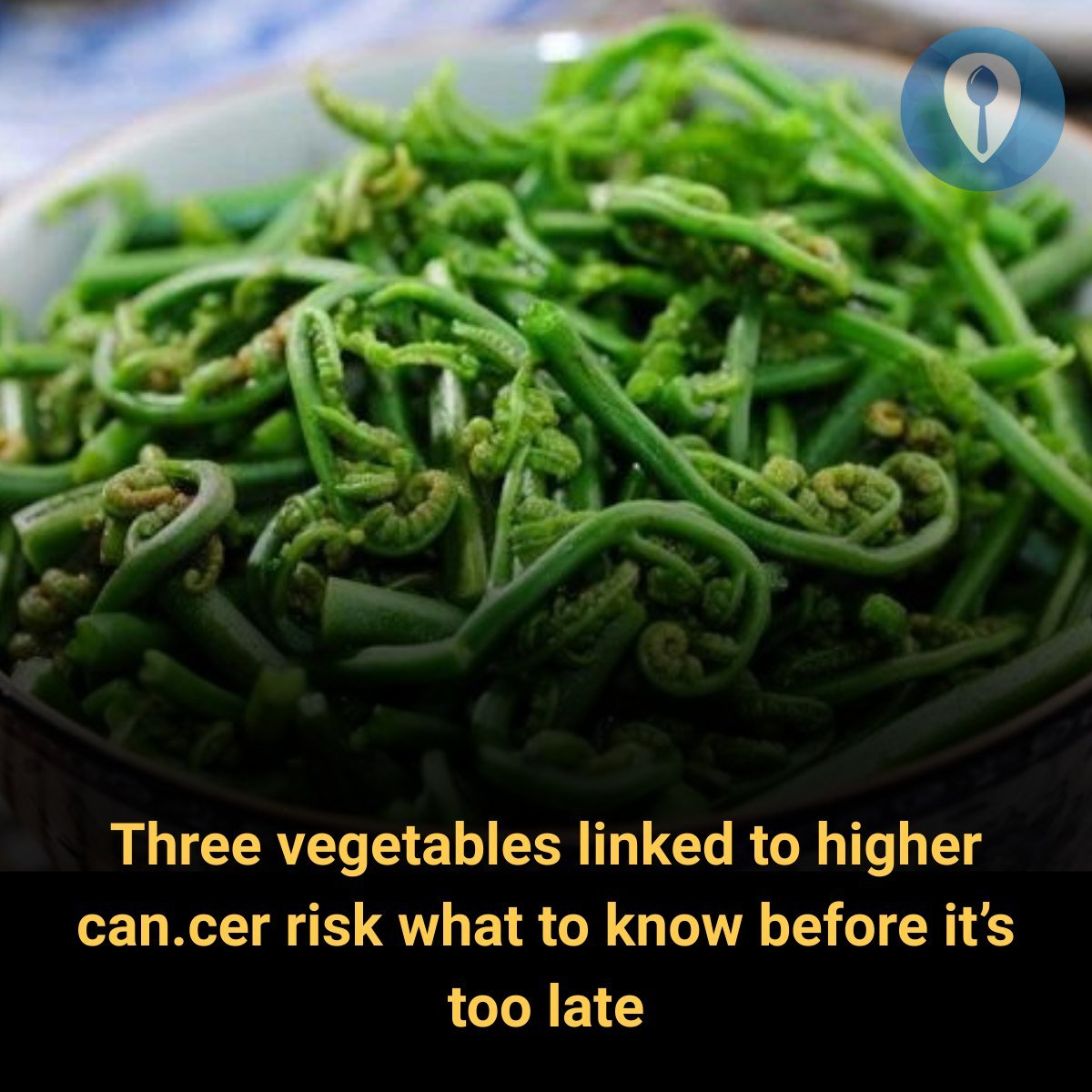
Headlines warning that “common vegetables increase cancer risk” can be alarming, especially when vegetables are widely known for protecting long-term health. However, the truth is far less dramatic than the headlines suggest. There are no fresh, whole vegetables that directly cause cancer when eaten as part of a normal, balanced diet. In fact, vegetables are consistently linked to lower cancer risk across large population studies.
So where does the confusion come from? It usually stems from how certain vegetables are prepared, processed, or consumed in excess, rather than the vegetables themselves. Below are three vegetables that are often mentioned in these headlines, along with the real science behind the claims—explained clearly and without fear.
The Big Picture: Vegetables Are Not the Enemy
Before diving into specifics, it is important to understand one key fact:
Cancer risk is influenced by patterns, not single foods. Genetics, smoking, alcohol use, physical activity, body weight, and overall diet matter far more than whether you eat a particular vegetable.
The vegetables discussed below only raise concerns in very specific contexts. When prepared and eaten sensibly, they remain safe and nutritious.
1. Potatoes (When Fried or Burnt)
Potatoes are often the first vegetable mentioned in cancer-related headlines.
What the research actually says:
Potatoes themselves are not harmful. The concern arises when potatoes are fried or cooked at very high temperatures—such as deep frying, pan-frying until dark brown, or burning.
At high heat, starchy foods like potatoes can form a compound called acrylamide. Acrylamide has been shown to cause cancer in animal studies at very high doses. Human evidence, however, remains limited and inconsistent.
What increases concern:
- French fries cooked until dark brown or blackened
- Burnt potato chips
- Repeatedly reheated frying oil
What lowers risk:
- Boiling, steaming, or baking potatoes lightly
- Avoiding over-browning
- Eating fried potatoes occasionally, not daily
Bottom line:
Potatoes are safe. Overcooked, heavily fried potatoes eaten frequently may increase risk, but moderation and gentler cooking methods make potatoes a healthy choice.
2. Pickled and Salt-Preserved Vegetables
Pickled vegetables are common in many traditional cuisines and are often misunderstood.
What the research actually says:
Some studies—particularly in East Asian populations—have linked very high intake of salt-preserved vegetables to increased stomach cancer risk. This association is believed to be related to excess sodium, not the vegetables themselves.
High salt intake can damage the stomach lining and may increase susceptibility to harmful bacteria such as H. pylori, which is strongly linked to stomach cancer.
What increases concern:
- Daily consumption of heavily salted, fermented vegetables
- Diets extremely high in sodium overall
What lowers risk:
- Moderation
- Choosing quick-pickled or refrigerated pickles with lower salt
- Eating a variety of fresh vegetables alongside pickled ones
Bottom line:
Pickled vegetables are not dangerous in normal amounts. Problems arise only with chronic, excessive intake combined with very high sodium diets.
3. Canned Vegetables (Highly Processed Versions)
Canned vegetables sometimes appear in cancer-risk discussions, though context is often missing.
What the research actually says:
Older studies raised concerns about bisphenol A (BPA), a chemical once commonly used in can linings. BPA can act as an endocrine disruptor, which raised theoretical cancer concerns.
However, most modern food cans are now BPA-free, and the evidence linking BPA exposure from canned vegetables to cancer in humans is weak.
Another issue is that some canned vegetables are:
- Very high in sodium
- Lower in certain heat-sensitive nutrients
What increases concern:
- Relying heavily on canned vegetables with added salt
- Diets low in fresh or frozen produce
What lowers risk:
- Choosing low-sodium or no-salt-added cans
- Rinsing canned vegetables before use
- Mixing canned vegetables with fresh or frozen ones
Bottom line:
Canned vegetables are far better than eating no vegetables at all. They are safe, affordable, and convenient, especially when chosen wisely.
What These Headlines Leave Out
Most alarming articles fail to mention that:
- Dose matters: occasional intake is not harmful
- Preparation matters: cooking method is often the real issue
- Overall diet matters most: vegetables reduce cancer risk overall
No reputable health organization recommends avoiding vegetables due to cancer risk.
How to Eat Vegetables Safely and Confidently
To maximize benefits and minimize concerns:
- Use varied cooking methods
- Avoid burning or charring starchy foods
- Balance processed foods with fresh produce
- Limit excessive salt intake
- Focus on dietary patterns, not single foods
Vegetables remain one of the strongest dietary tools for long-term health.
Conclusion
The idea that vegetables cause cancer is a misunderstanding fueled by sensational headlines and missing context. No fresh vegetable is inherently dangerous. The few concerns that exist are tied to extreme preparation methods, excessive salt, or heavy processing—not the vegetables themselves.
Instead of fear, the evidence supports confidence. Eating a wide variety of vegetables—prepared thoughtfully and enjoyed in balance—remains one of the best choices you can make for reducing cancer risk and supporting overall health.


No Responses Yet