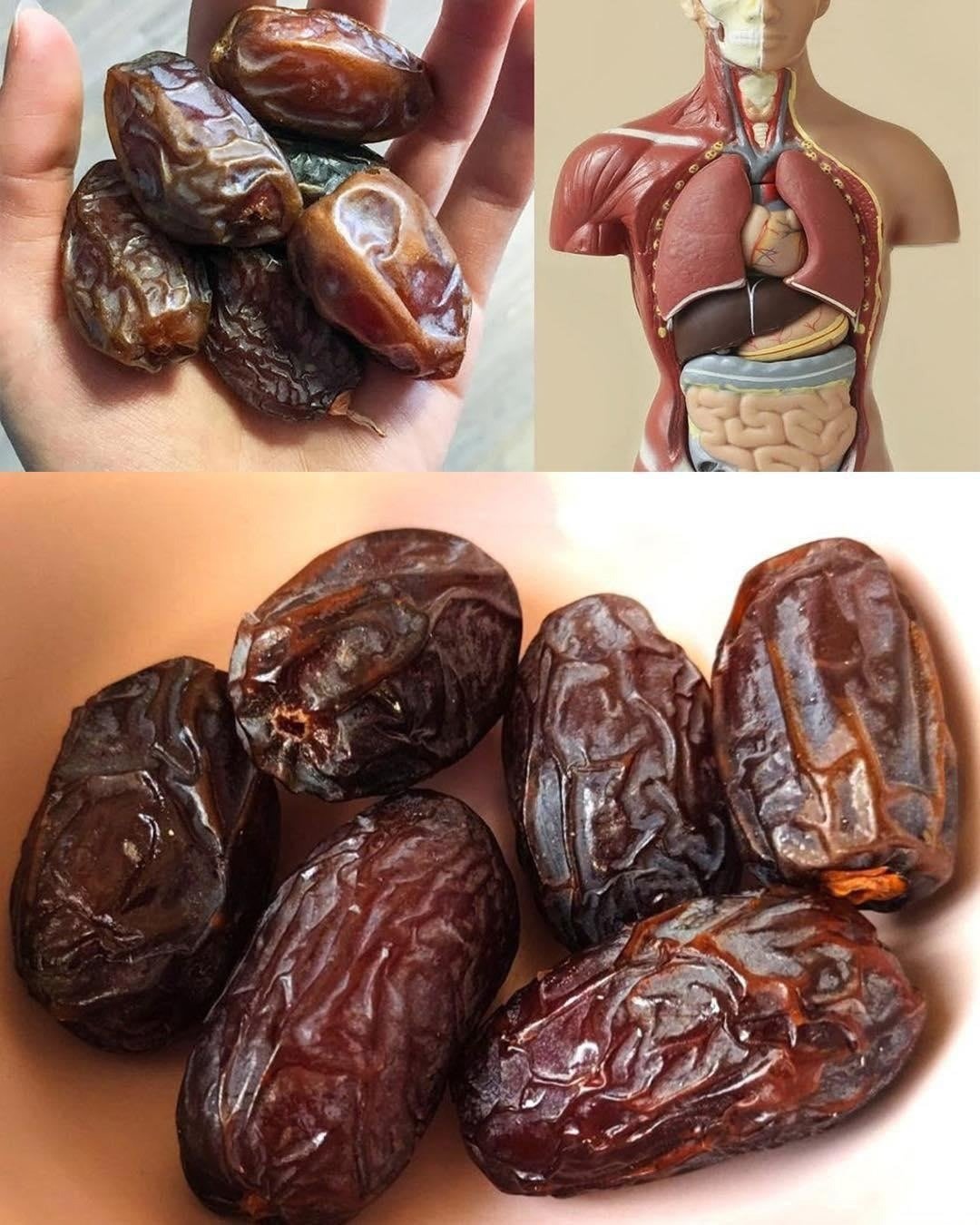
Often called nature’s candy, dates are far more than a sweet treat. These chewy, caramel-like fruits—harvested from the date palm—have nourished people for thousands of years across the Middle East and the Mediterranean. Today, nutrition science backs up that long tradition: dates deliver fiber, antioxidants, and essential minerals in a naturally sweet package.
Whether you want a steady energy boost, better digestion, or an easy way to sweeten foods without refined sugar, dates fit the bill.
What Are Dates, Exactly?
Dates are the fruit of the Date palm, a hardy palm that thrives in warm, arid climates. Common varieties include Medjool, Deglet Noor, and Barhi. While they taste indulgent, dates are whole foods with impressive nutritional value.
A typical serving of 3–4 dates provides:
- Dietary fiber
- Natural sugars (glucose and fructose)
- Potassium, magnesium, copper, and manganese
- Plant antioxidants such as flavonoids and carotenoids
7 Science-Backed Benefits of Eating Dates
1. Supports Digestive Health
Dates are rich in fiber, which helps keep digestion regular. Both soluble and insoluble fibers support gut movement and feed beneficial gut bacteria. Regular intake has been linked to improved bowel frequency and stool consistency.
2. Provides Steady, Natural Energy
Because dates contain natural sugars paired with fiber, they offer quick energy without the sharp spike and crash associated with refined sweets. This makes them a smart snack before workouts or long study sessions.
3. Rich in Antioxidants
Dates contain antioxidants that help protect cells from oxidative stress. These compounds support overall health by reducing inflammation and supporting the body’s natural defense systems.
4. Supports Heart Health
Potassium and magnesium in dates help regulate blood pressure and support normal heart rhythm. Fiber also plays a role in maintaining healthy cholesterol levels.
5. Promotes Brain Function
Certain antioxidants in dates may help reduce inflammation linked to cognitive decline. Including dates as part of a balanced diet can support long-term brain health.
6. Strengthens Bones
Dates provide minerals like calcium, phosphorus, and magnesium, all of which contribute to bone density and strength when paired with adequate vitamin D and overall nutrition.
7. Naturally Satisfies Sweet Cravings
Their caramel-like flavor makes dates an excellent alternative to refined sugar in baking, smoothies, and snacks. They add sweetness while also contributing nutrients.
How to Enjoy Dates Every Day
Dates are versatile and easy to include in meals:
- Chop and add to oatmeal or yogurt
- Blend into smoothies for natural sweetness
- Stuff with nut butter for a balanced snack
- Use as a base for homemade energy bites
- Finely chop and use in baked goods instead of sugar
Because they are calorie-dense, moderation matters. A few dates go a long way.
Are Dates Good for Everyone?
Most people can enjoy dates safely as part of a balanced diet. However, because they are naturally high in sugar, people managing blood sugar levels should enjoy them in smaller portions and pair them with protein or healthy fats.
Frequently Asked Questions
Are dates healthier than white sugar?
Yes. Dates contain fiber, minerals, and antioxidants, while white sugar provides calories with no nutrients.
How many dates should you eat per day?
For most people, 2–4 dates per day fits well into a balanced diet.
Do dates cause weight gain?
Dates are calorie-dense, so large amounts can contribute to excess calorie intake. Moderate portions are key.
Are dates good before exercise?
Yes. Their natural sugars provide quick energy, making them a popular pre-workout snack.
Should dates be refrigerated?
Dried dates keep well at room temperature in an airtight container. Refrigeration can extend shelf life.
Conclusion
Dates earn their reputation as a superfood. They combine natural sweetness with fiber, minerals, and antioxidants that support digestion, energy, and overall wellness. Enjoyed in moderation, dates offer a simple, delicious way to nourish your body—just as they have done for centuries.


No Responses Yet