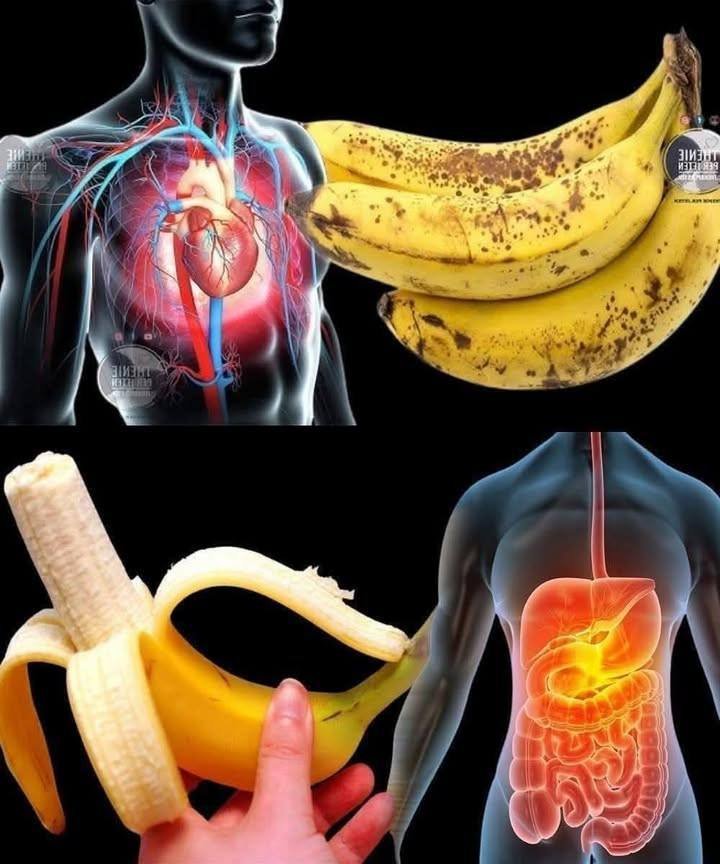
Bananas are one of the most familiar fruits in the world. They are affordable, portable, naturally sweet, and easy to add to almost any routine. Yet many people underestimate what bananas actually do for the body. Beyond quick energy, eating bananas supports digestion, muscle function, heart health, and even brain chemistry when included as part of a balanced diet.
This article breaks down what science really says about bananas—without hype, fear, or miracle claims—so you can understand why this simple fruit earns its place in everyday nutrition.
Nutritional Snapshot of a Banana
A medium banana contains roughly:
- 105 calories
- 27 grams of carbohydrates
- 3 grams of fiber
- 422 mg of potassium
- Vitamin B6, vitamin C, and magnesium
Bananas are naturally fat-free and cholesterol-free. Their combination of carbohydrates and fiber makes them especially useful for steady energy rather than sharp spikes and crashes.
How Bananas Support Natural Energy
Balanced Carbohydrates
Bananas contain natural sugars such as glucose, fructose, and sucrose. These sugars are paired with fiber, which slows digestion and helps provide a steadier release of energy. This balance is why bananas are commonly eaten before workouts, long walks, or busy mornings.
No Artificial Boost
Unlike energy drinks or highly processed snacks, bananas provide energy without stimulants. There is no caffeine, no additives, and no sudden drop afterward. This makes bananas suitable for both adults and children as part of regular meals or snacks.
Bananas and Digestive Health
Fiber for Gut Function
The fiber in bananas helps support regular digestion. Unripe bananas contain resistant starch, while ripe bananas contain soluble fiber. Both forms play a role in feeding beneficial gut bacteria and supporting bowel regularity.
Gentle on the Stomach
Bananas are often recommended during periods of digestive upset because they are easy to digest and low in acidity. They are part of the commonly referenced bland-food approach for calming the digestive system.
Potassium and Muscle Function
Why Potassium Matters
Potassium is essential for normal muscle contraction, nerve signaling, and fluid balance. Bananas are one of the most recognizable dietary sources of potassium, although they are not the only one.
Exercise and Recovery
During physical activity, the body loses electrolytes through sweat. Eating potassium-rich foods like bananas can help support muscle function and recovery when combined with adequate hydration and overall nutrition.
Brain Health and Mood Support
Vitamin B6 and Neurotransmitters
Bananas contain vitamin B6, which the body uses to help produce neurotransmitters such as serotonin and dopamine. These chemicals are involved in mood regulation, focus, and sleep cycles.
Important Clarification
Eating bananas does not treat depression or anxiety. However, nutrients found in bananas support normal brain function and can contribute to overall well-being when part of a balanced diet.
Heart Health Benefits
Blood Pressure Support
Potassium helps counterbalance sodium in the diet, which plays a role in maintaining healthy blood pressure levels. Diets rich in potassium-containing fruits and vegetables are consistently associated with cardiovascular health.
Fiber and Cholesterol
The soluble fiber in bananas can help support healthy cholesterol levels. While bananas alone are not a treatment, they fit well into heart-conscious eating patterns.
Blood Sugar Considerations
Natural Sugars in Context
Bananas do contain sugar, but they also contain fiber, which helps slow sugar absorption. For most healthy individuals, bananas do not cause sharp blood sugar spikes when eaten in reasonable portions.
Pairing for Balance
Pairing a banana with protein or healthy fat—such as yogurt or nut butter—can further stabilize blood sugar response and improve satiety.
Common Myths About Bananas
“Bananas Are Too High in Sugar”
While bananas contain natural sugars, they are not comparable to candy or sweetened snacks. The fiber and nutrients make a meaningful difference in how the body processes them.
“Bananas Cause Weight Gain”
No single food causes weight gain on its own. Portion size, overall diet, and lifestyle matter more than any individual fruit.
“Only Athletes Should Eat Bananas”
Bananas are beneficial for people of all activity levels, from school lunches to office snacks to post-exercise recovery.
Easy Ways to Include Bananas
- Eat one with breakfast
- Slice into oatmeal or cereal
- Blend into smoothies
- Pair with peanut butter for a filling snack
- Add to yogurt or cottage cheese
Bananas require no preparation, making them one of the most accessible fruits available.
Who Should Be Mindful
Most people can enjoy bananas safely. However, individuals with advanced kidney disease or those on potassium-restricted diets should follow medical guidance regarding intake. As with all foods, moderation matters.
Conclusion
Bananas are more than a quick source of energy. They support digestion, muscle function, heart health, and brain chemistry through a combination of fiber, potassium, and essential vitamins. While they are not a cure or treatment for any condition, bananas are a reliable, science-backed food that fits easily into everyday life.
Simple, affordable, and widely available, bananas prove that good nutrition does not have to be complicated. When eaten as part of a balanced diet, this familiar fruit offers real benefits that go far beyond convenience.


No Responses Yet