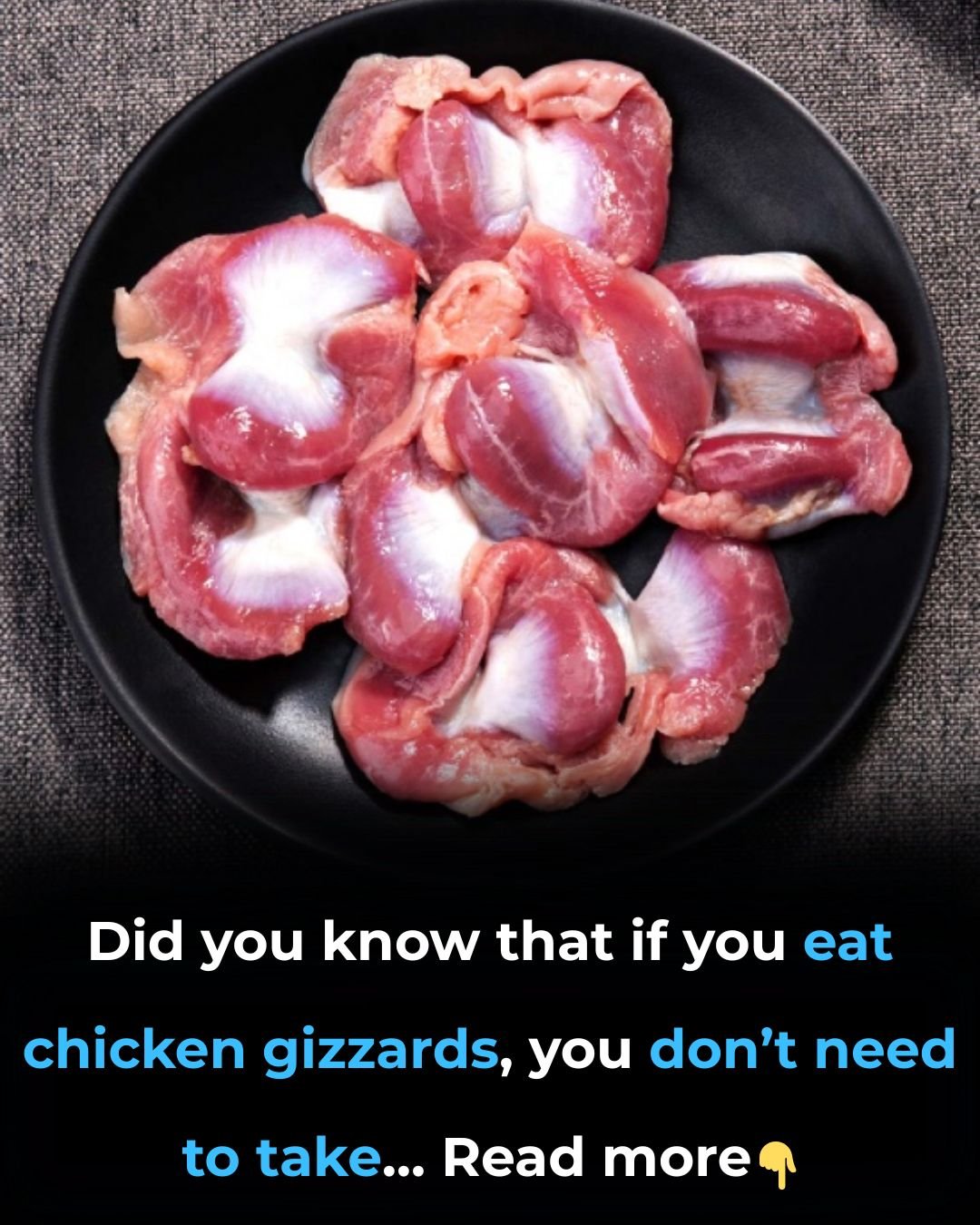
Often overlooked or misunderstood, chicken gizzards are one of the most nutrient-dense and affordable protein sources available. Long valued in traditional, nose-to-tail cooking, they have fed families for generations across the American South, Asia, Africa, and Latin America. Today, they’re quietly making a comeback—not as a trend, but as a smart, practical food choice rooted in real nutrition.
Chicken gizzards are lean, mineral-rich, and deeply satisfying when prepared correctly. If you’ve never tried them, you may be surprised by how flavorful, versatile, and nourishing they are.
What Are Chicken Gizzards?
Chicken gizzards are part of the bird’s digestive system. They are a muscular organ that helps grind food, which explains their firm texture. Because they’re a working muscle, gizzards are naturally high in protein and low in fat.
When cooked properly—slow-simmered, braised, or tenderized—they become rich, savory, and surprisingly comforting.
Why Chicken Gizzards Deserve a Place in Your Diet
High-Quality Protein Without the Cost
A 3.5-ounce (100-gram) serving of chicken gizzards provides about 22 grams of complete protein, comparable to chicken breast. This protein supports muscle repair, satiety, and overall metabolism.
Unlike many protein sources, gizzards deliver this benefit at a fraction of the cost, making them especially valuable for budget-conscious households.
One of the Best Natural Sources of Iron
Chicken gizzards are exceptionally rich in heme iron, the form of iron that the body absorbs most efficiently. A single serving can provide 25–33% of daily iron needs.
This makes them particularly helpful for:
- People prone to iron deficiency
- Women with higher iron requirements
- Older adults
- Anyone needing nutrient-dense foods without supplements
Rich in B Vitamins, Especially B12
Gizzards are packed with B vitamins, including vitamin B12, which plays a critical role in:
- Red blood cell production
- Nervous system function
- Energy metabolism
Low B12 intake is common in many diets, and animal-based foods like gizzards remain one of the most reliable natural sources.
Additional Health Benefits of Chicken Gizzards
Supports Immune and Metabolic Health
Chicken gizzards contain zinc and selenium, minerals involved in immune function and antioxidant defense. These nutrients support the body’s ability to respond to stress and maintain cellular health.
Low in Fat, High in Satisfaction
Despite their rich flavor, gizzards are relatively low in fat compared to many cuts of meat. Their dense texture promotes fullness, which can help reduce overeating and support balanced meals.
Naturally Nutrient-Dense
Unlike heavily processed foods, chicken gizzards provide vitamins and minerals in their natural form, without additives or fortification. This makes them an excellent example of whole-food nutrition.
How to Cook Chicken Gizzards So They’re Tender and Delicious
The Key Is Time and Moisture
Gizzards need proper cooking to shine. Quick cooking methods can leave them tough, but slow cooking transforms them.
Popular methods include:
- Slow simmering in broth
- Braising with onions and spices
- Pressure cooking
- Long, gentle stews
Once tender, they can be sliced, shredded, or served whole.
Flavor Pairings That Work Well
Gizzards pair beautifully with:
- Garlic and onions
- Tomatoes
- Bay leaf and black pepper
- Paprika and herbs
- Rice, grits, or mashed potatoes
Their savory depth works well in both simple and richly seasoned dishes.
Cultural and Culinary Significance
Chicken gizzards have long been valued in cuisines around the world. From Southern-style fried gizzards to slow-simmered stews and soups, they reflect a tradition of using the whole animal thoughtfully and respectfully.
This approach isn’t about trends—it’s about nourishment, economy, and reducing food waste.
Who Should Be Mindful
Most people can enjoy chicken gizzards safely as part of a balanced diet. However:
- People with gout or conditions requiring limited purine intake should moderate consumption
- Those unfamiliar with organ meats may want to start with small portions
As with any food, variety and moderation matter.
Easy Ways to Start If You’re New to Gizzards
- Add tender gizzards to soups or stews
- Serve them over rice with gravy
- Mix chopped gizzards into pasta or casseroles
- Try slow-cooked gizzards before fried versions
Starting with slow-cooked recipes helps highlight their best qualities.
Conclusion
Chicken gizzards are a forgotten nutritional gem. They offer high-quality protein, highly absorbable iron, essential B vitamins, and impressive mineral content—all at a low cost and with minimal processing.
They may not be flashy, but they are deeply practical, nourishing, and rooted in culinary tradition. If you’re looking to expand your diet with foods that are both healthy and sustainable, chicken gizzards are absolutely worth a second look.


No Responses Yet