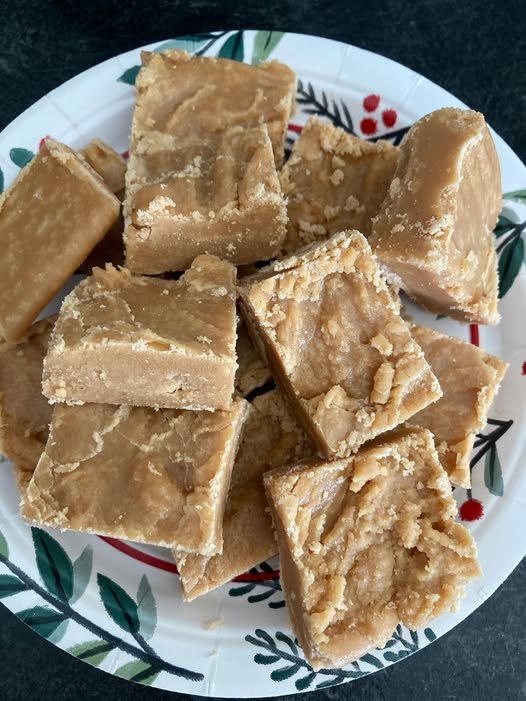
Scottish Tablet is one of those old-fashioned sweets that feels like stepping back in time. Rich, buttery, and unapologetically sweet, it sits somewhere between fudge and caramel—but with a crumbly, melt-in-the-mouth texture that’s completely its own. If fudge is smooth and creamy, tablet is its firmer, grainier cousin, designed to be enjoyed in small, satisfying bites with a cup of tea.
This traditional Scottish treat has been made for generations using just a handful of pantry staples. It’s the kind of recipe passed down by memory rather than measurements, stirred patiently on the stove while stories are told in the kitchen. Despite its simplicity, Scottish Tablet feels special, nostalgic, and deeply comforting.
Whether you’re making it for the first time or recreating a childhood favorite, this is a sweet that rewards attention and care—and delivers big flavor with very little fuss.
What Makes Scottish Tablet So Special
A Texture Unlike Anything Else
Scottish Tablet is intentionally grainy. That crumbly texture is what sets it apart and makes it unmistakable. Instead of melting smoothly like fudge, tablet breaks apart gently, then dissolves into a rich, buttery sweetness.
Deep, Pure Sweetness
With no chocolate, spices, or flavorings required, the taste is all about caramelized sugar and creamy dairy. It’s rich enough that a small square feels indulgent, making it perfect for sharing or gifting.
A Sweet With Deep Roots
Tablet has been part of Scottish food culture for centuries. Traditionally served at celebrations, fairs, and holidays, it was often homemade and wrapped in paper to give as gifts. Because it keeps well without refrigeration, it became a practical treat long before modern storage methods existed.
Even today, tablet is closely associated with hospitality—offered alongside tea, packed into tins, or sliced into neat squares for visitors.
Ingredients You’ll Need
This recipe stays true to the classic preparation and uses just a few basics:
- Granulated sugar
- Unsalted butter
- Sweetened condensed milk
- A splash of milk (optional, for easier cooking)
That’s it. No thermometer is strictly required, no fancy tools, and no baking involved.
How Scottish Tablet Is Made
Step 1: Slow, Gentle Cooking
All the ingredients are combined in a heavy-bottomed saucepan and heated slowly. This stage is about patience. Rushing can cause scorching or uneven texture, so steady heat is key.
Step 2: Reaching the Right Stage
The mixture is cooked until it thickens and reaches the classic “soft-ball” stage. This is when the sugar has concentrated enough to set firmly later.
Step 3: Beating for Texture
Once removed from the heat, the mixture is beaten vigorously. This is the most important step—it’s what creates the signature grainy texture. As you stir, the glossy mixture becomes thicker, duller, and slightly matte.
Step 4: Setting and Cutting
The thickened mixture is poured into a lined pan, smoothed quickly, and left to set. Once firm, it’s cut into small squares or rectangles.
Tips for Perfect Tablet Every Time
Use Low to Medium Heat
High heat can burn the sugar before it’s ready. Slow cooking ensures even caramelization.
Stir Constantly
Tablet demands attention. Continuous stirring prevents sticking and scorching.
Beat While Hot
Don’t wait too long after removing from the heat. The mixture needs to be beaten while it’s still hot to develop the correct texture.
Cut While Slightly Warm
If you wait until it’s completely cold, tablet can become very firm and harder to slice cleanly.
How to Serve Scottish Tablet
Scottish Tablet is traditionally served in small pieces alongside tea or coffee. Because it’s very sweet and rich, a little goes a long way. It also makes an excellent homemade gift, packed into tins or wrapped in parchment paper.
It pairs especially well with:
- Black tea
- Coffee
- After-dinner drinks
- Holiday dessert platters
Storage and Shelf Life
One of tablet’s best qualities is how well it keeps.
- Store in an airtight container at room temperature
- Keeps well for up to two weeks
- Can be layered with parchment paper to prevent sticking
Avoid refrigeration, as it can alter the texture.
Common Variations
While the classic version is beloved, there are a few traditional twists you might encounter:
- Vanilla tablet for a softer aroma
- Chocolate-dipped tablet for contrast
- Tablet with a pinch of salt to balance sweetness
However, purists will tell you the plain version is still the gold standard.
Frequently Asked Questions
Is Scottish Tablet the same as fudge?
No. Tablet is firmer and crumblier, with a grainy texture rather than smooth.
Why is my tablet too soft?
It likely wasn’t cooked long enough or didn’t reach the correct stage.
Why is it too hard?
It may have cooked too long or been overheated.
Do I need a thermometer?
It helps, but careful observation and experience work just as well.
Can beginners make this?
Yes, as long as you take your time and stir consistently.
Conclusion
Scottish Tablet is proof that simple ingredients, handled with care, can create something truly memorable. Rich, buttery, and steeped in tradition, it’s a sweet that feels both humble and special—perfect for sharing, gifting, or enjoying quietly with a cup of tea.
Once you make tablet at home, you’ll understand why it has endured for generations. It’s not just a treat—it’s a piece of Scottish heritage, cooked slowly, stirred patiently, and enjoyed one crumbly square at a time.


No Responses Yet