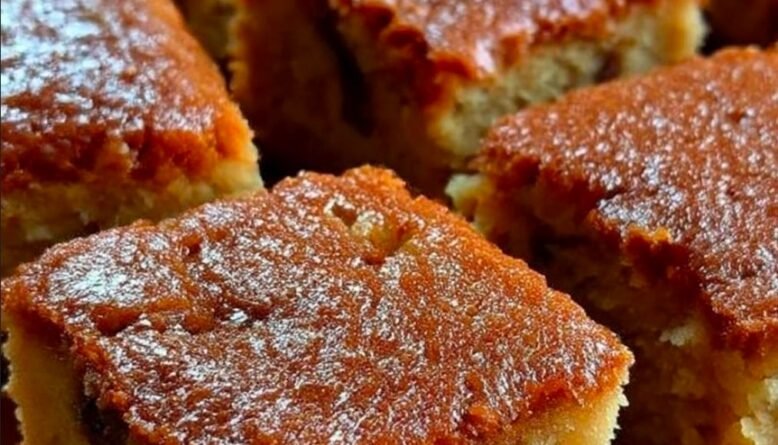
Old-Fashioned War-Time Cake is more than just a dessert. It is a piece of history baked into a pan, a reminder that comfort and creativity can exist even in the hardest times. Born during World War II, when ingredients like eggs, butter, milk, and sugar were rationed, this cake proved that something warm, sweet, and deeply satisfying could still come out of the oven with almost nothing on hand.
This Old-Fashioned War-Time Cake uses no eggs, no dairy, and no butter. Instead, it relies on pantry staples—flour, cocoa powder, sugar, oil, vinegar, baking soda, and water—mixed right in the baking pan. The result is a moist, tender chocolate cake with a surprisingly rich flavor and a soft crumb that feels far more indulgent than its humble ingredient list suggests.
I first learned about this cake through stories rather than recipes. It was the kind of dessert people remembered their mothers or grandmothers making when supplies were limited but spirits needed lifting. It showed up for birthdays without frosting, for Sunday dinners without ceremony, and for quiet evenings when something sweet made the world feel steadier. Baking it now feels like honoring that resilience, while still enjoying a genuinely good piece of cake.
The History Behind Old-Fashioned War-Time Cake
Baking Through Rationing
Old-Fashioned War-Time Cake came into existence during an era when home cooks had to stretch every ingredient. During World War II, many staples were rationed, and families were encouraged to conserve butter, eggs, and milk for soldiers overseas. Baking, however, did not disappear. Instead, it adapted.
Home bakers discovered that oil could replace butter, vinegar could activate baking soda in place of eggs, and water could stand in for milk. Cocoa powder provided flavor when chocolate bars were scarce. These substitutions were not just clever—they worked remarkably well.
This cake became known by many names, including War Cake, Depression Cake, Wacky Cake, and Crazy Cake. No matter the name, the idea was the same: make something comforting with what you have.
Why the Recipe Lasted
Many wartime recipes faded away once rationing ended. Old-Fashioned War-Time Cake did not. People kept baking it because it tasted good, stayed moist, and required almost no cleanup.
It also carried emotional weight. This cake represented perseverance and care. Even when resources were limited, families found ways to celebrate and comfort one another. That meaning has helped the recipe endure for generations.
Why Old-Fashioned War-Time Cake Still Works Today
Simple Ingredients, Real Flavor
Old-Fashioned War-Time Cake succeeds because its chemistry is sound. Vinegar reacts with baking soda to create lift. Oil coats the flour particles, keeping the crumb tender. Cocoa powder brings depth, while sugar balances bitterness.
There is nothing artificial about the flavor. The chocolate taste is straightforward and nostalgic, not overly sweet or heavy. It pairs just as well with a glass of milk as it does with a cup of coffee.
Because the recipe avoids dairy and eggs, it also naturally fits many modern dietary needs without trying to. That simplicity feels especially relevant today.
One-Pan Ease
Another reason Old-Fashioned War-Time Cake remains popular is how easy it is to make. Dry ingredients go directly into the baking pan. Wet ingredients are poured over the top. A fork or whisk brings everything together.
There are no bowls to wash, no mixers to pull out, and no complicated steps to follow. That ease makes it perfect for beginner bakers, busy nights, or moments when baking needs to feel comforting instead of demanding.
Ingredients You’ll Need
Pantry Staples Only
Old-Fashioned War-Time Cake uses ingredients most kitchens already have.
You will need:
- All-purpose flour
- Granulated sugar
- Unsweetened cocoa powder
- Baking soda
- Salt
- Vegetable oil
- White vinegar
- Vanilla extract
- Water
Each ingredient has a purpose. Flour gives structure. Cocoa provides flavor. Baking soda and vinegar create lift. Oil keeps the cake moist. Water brings everything together without heaviness.
The lack of eggs and dairy does not make the cake feel lacking. Instead, it allows the chocolate flavor to stand front and center.
Optional Add-Ins
Although the classic version is simple, Old-Fashioned War-Time Cake welcomes small additions. Chocolate chips add richness. A pinch of cinnamon adds warmth. A dusting of powdered sugar finishes it simply.
These additions are optional, but they allow the cake to feel personal while staying true to its roots.
How to Make Old-Fashioned War-Time Cake
Mixing Right in the Pan
Preheat the oven and lightly grease an 8×8-inch or 9-inch round pan. Add the dry ingredients directly to the pan and whisk or stir to combine.
Make three small wells in the dry mixture. Pour oil into one, vinegar into another, and vanilla into the third. Then pour water over everything.
Using a fork or whisk, gently mix until the batter is smooth and no dry pockets remain. Be careful not to overmix.
Baking to Tender Perfection
Place the pan in the oven and bake until the cake is set and a toothpick inserted into the center comes out mostly clean. The top should look matte, not glossy.
Allow the cake to cool slightly before serving. As it cools, the crumb sets and becomes even more tender.
Tips for the Best Old-Fashioned War-Time Cake
Measure Carefully
Because the recipe is simple, measurements matter. Too much cocoa can make the cake dry. Too much flour can make it dense. Level your measuring cups for best results.
Do Not Skip the Vinegar
The vinegar does not add flavor. Instead, it reacts with the baking soda to create lift. Without it, the cake will be flat and heavy.
White vinegar works best, but apple cider vinegar can be used in a pinch.
Avoid Overbaking
Old-Fashioned War-Time Cake should be moist. Overbaking dries it out. Check early and remove it as soon as it is done.
Serving Ideas
Simple and Traditional
Traditionally, Old-Fashioned War-Time Cake was served plain or with a light dusting of powdered sugar. That simplicity highlights its humble origins.
A dollop of whipped topping or a spoonful of fruit preserves also works well without overwhelming the cake.
Modern Twists
For a more modern approach, you can top the cake with a simple glaze made from powdered sugar and water. A scoop of vanilla ice cream turns it into a complete dessert.
Despite these options, the cake stands on its own. It does not need embellishment to be satisfying.
Storage and Make-Ahead Notes
Old-Fashioned War-Time Cake keeps well at room temperature for up to three days when covered. Its oil-based structure helps it stay moist longer than butter-based cakes.
It can also be refrigerated for extended storage, though bringing it back to room temperature before serving improves texture.
The cake freezes well, making it practical for emergencies or future treats.
Frequently Asked Questions
Why is there vinegar in the cake?
It reacts with baking soda to help the cake rise.
Does it taste like vinegar?
No. The flavor disappears during baking.
Is this cake vegan?
Yes, it contains no animal products.
Can I double the recipe?
Yes. Use a larger pan and adjust baking time.
Is it very sweet?
No. It has a balanced, classic chocolate flavor.
Conclusion
Old-Fashioned War-Time Cake is a reminder that good food does not require abundance. It was created in a time of scarcity, yet it delivers warmth, comfort, and genuine pleasure with every bite. Simple, practical, and deeply satisfying, this cake has earned its place in kitchens across generations.
Whether you bake it out of curiosity, necessity, or nostalgia, Old-Fashioned War-Time Cake offers more than dessert. It offers a quiet lesson in resilience, creativity, and the enduring power of home baking.


No Responses Yet