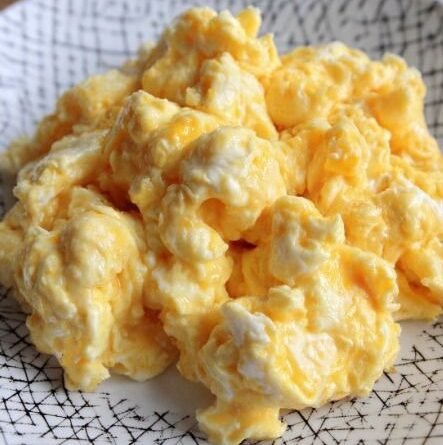
Cheesy Scrambled Eggs are the kind of breakfast that never go out of style. They are simple, comforting, and incredibly satisfying, yet when made with a little care, they feel almost luxurious. Soft curds, gentle heat, and perfectly melted cheese turn ordinary eggs into something rich and velvety that tastes far better than the effort required.
Cheesy Scrambled Eggs are the kind of breakfast that never go out of style. They are simple, comforting, and incredibly satisfying, yet when made with a little care, they feel almost luxurious. Soft curds, gentle heat, and perfectly melted cheese turn ordinary eggs into something rich and velvety that tastes far better than the effort required.
This Cheesy Scrambled Eggs recipe focuses on technique rather than complication. You do not need special tools, fancy ingredients, or long prep time. What you need is patience, low heat, and good timing. When those come together, the result is eggs that are creamy, tender, and full of flavor, not dry or rubbery.
I learned early on that scrambled eggs tell you a lot about a kitchen. Some mornings they were rushed and overcooked, other mornings slow and silky. The best ones were always the simplest, made with attention instead of speed. These eggs remind me that taking just a few extra minutes can turn a basic breakfast into something that feels special.
Why Cheesy Scrambled Eggs Are a Breakfast Staple
Comfort Food at Its Best
Cheesy Scrambled Eggs are loved because they deliver comfort without fuss. Eggs are familiar and nourishing. Cheese adds richness and depth. Together, they create a dish that feels warm and grounding.
This combination works for everyone. Kids love the mild flavor and soft texture. Adults appreciate how customizable it is. You can keep it plain or dress it up, depending on your mood and what is in the fridge.
Because they cook quickly, cheesy scrambled eggs fit into busy mornings just as easily as relaxed weekends.
Technique Makes the Difference
The secret to great Cheesy Scrambled Eggs is not the cheese itself, but how the eggs are cooked. High heat leads to tough, dry eggs. Low heat and constant stirring encourage small, tender curds and a creamy finish.
Adding the cheese at the right moment matters just as much. When added too early, it can separate or grease out. When added at the end, it melts gently into the eggs, coating every bite.
Ingredients You’ll Need
Simple Pantry Staples
Cheesy Scrambled Eggs rely on ingredients most kitchens already have.
You will need:
- Eggs
- Milk or cream
- Butter
- Shredded or grated cheese
- Salt
Eggs form the base. Milk or cream softens the texture. Butter adds richness and prevents sticking. Cheese brings flavor and creaminess. Salt enhances everything.
The quality of ingredients matters more than quantity. Fresh eggs and real cheese make a noticeable difference.
Choosing the Right Cheese
Cheesy Scrambled Eggs work with many cheeses, but some melt better than others.
Good options include:
- Cheddar for classic flavor
- Monterey Jack for smooth melting
- Mozzarella for mild creaminess
- Colby Jack for balance
Grating cheese yourself helps it melt more evenly. Pre-shredded cheese often contains additives that affect texture.
How to Make Cheesy Scrambled Eggs
Preparing the Eggs
Crack the eggs into a bowl. Add a splash of milk or cream and a pinch of salt. Whisk gently until the yolks and whites are just combined.
Avoid over-whisking. Too much air can make the eggs puff and then collapse. A smooth, even mixture works best.
Cooking Low and Slow
Place a nonstick skillet over low heat and add butter. Let it melt slowly without browning.
Pour the eggs into the skillet. Let them sit for a moment, then begin stirring gently with a spatula. Push the eggs from the edges toward the center, creating soft folds.
Continue stirring slowly and constantly. The eggs should thicken gradually, not seize up.
Adding the Cheese
When the eggs are mostly set but still slightly glossy, remove the pan from heat. Sprinkle the cheese over the eggs.
Gently fold the eggs to distribute the cheese. The residual heat will melt it without overcooking the eggs.
Serve immediately for the best texture.
Tips for Perfect Cheesy Scrambled Eggs
Keep the Heat Low
Low heat is essential. Rushing the process leads to rubbery eggs. Patience rewards you with creaminess.
If the eggs start to cook too quickly, lift the pan off the heat briefly while stirring.
Season at the Right Time
Salt early to help season evenly. Additional seasoning can be added at the end if needed.
Pepper is best added after cooking, as it can become bitter when heated.
Stop Before They Look Done
Eggs continue cooking after you remove them from heat. Take them off while they still look slightly underdone.
This ensures they finish perfectly on the plate instead of drying out.
Easy Variations
Adding Vegetables
Cheesy Scrambled Eggs welcome add-ins, but they should be cooked first.
Try:
- Sautéed mushrooms
- Spinach
- Diced bell peppers
- Green onions
Add vegetables before the eggs or fold them in just before the cheese.
Adding Protein
Cooked bacon, sausage, or ham can be stirred in near the end. Keep portions modest so the eggs remain the star.
Flavor Boosters
Fresh herbs, hot sauce, or a pinch of smoked paprika can elevate the dish without overwhelming it.
Serving Ideas
Classic Breakfast Plate
Serve Cheesy Scrambled Eggs with toast, fruit, or potatoes for a complete breakfast. They pair well with simple sides.
Breakfast Sandwiches
Pile the eggs onto toasted bread or an English muffin for an easy sandwich. Add a slice of tomato or avocado for balance.
Brunch Spread
Cheesy Scrambled Eggs fit perfectly into a brunch menu. Serve them alongside pancakes, pastries, or a fresh salad.
Storage and Reheating
Cheesy Scrambled Eggs are best eaten fresh. Reheating can dry them out.
If you must reheat, do so gently over low heat with a small splash of milk, stirring constantly. Avoid the microwave if possible.
Frequently Asked Questions
Why are my scrambled eggs watery?
Too much milk or overcooking can cause separation.
Can I make them without milk?
Yes. Eggs and butter alone still produce great results.
What pan works best?
A nonstick skillet gives the best control and cleanup.
Can I double the recipe?
Yes, but use a larger pan and cook gently.
Are cheesy scrambled eggs healthy?
They provide protein and energy when enjoyed in balance.
Conclusion
Cheesy Scrambled Eggs prove that simple food, made thoughtfully, can be deeply satisfying. With low heat, gentle stirring, and well-timed cheese, everyday eggs become creamy, comforting, and full of flavor.
Whether you are rushing out the door or lingering over a weekend breakfast, this dish adapts to your pace. It is familiar without being boring, easy without being careless, and comforting in every bite. Once you master the technique, Cheesy Scrambled Eggs will become a recipe you return to again and again.


No Responses Yet