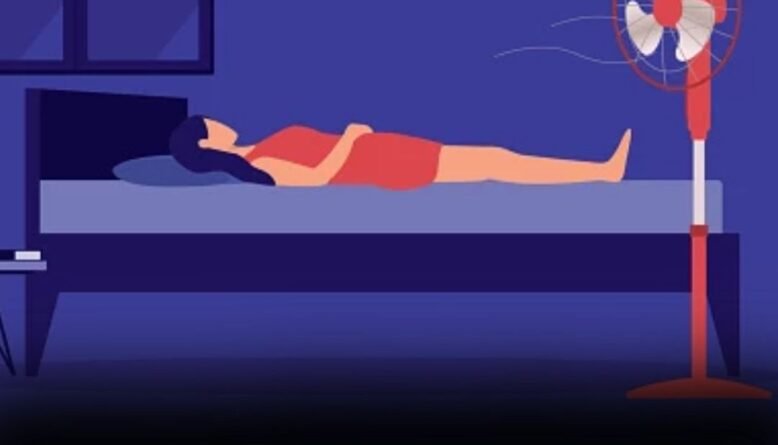
Headlines that warn about how you sleep often sound scary on purpose. However, the truth is far less dramatic—and far more useful. There is no single sleeping position that is automatically “dangerous” for everyone. Still, how you sleep night after night can quietly affect your neck, spine, breathing, and overall sleep quality over time.
Instead of fear-based claims, let’s look at what actually matters, based on well-established sleep and posture principles.
Sleeping Positions That Can Cause Problems Over Time
Sleeping on Your Stomach: Hard on the Neck and Spine
Sleeping on your stomach forces your head to stay turned to one side for hours. As a result, your neck remains twisted while your lower back arches unnaturally.
Over time, this position may contribute to:
- Neck stiffness and shoulder pain
- Lower back discomfort
- Tingling or numbness in the arms
- Shallow breathing due to chest compression
A gentler alternative: Side sleeping with a supportive pillow or back sleeping with a pillow under the knees.
Poor Head Elevation: Reflux, Snoring, and Poor Breathing
Sleeping completely flat or with excessive pillow height can create issues.
Too little elevation may worsen:
- Acid reflux
- Snoring
- Nasal congestion
Too much elevation can:
- Push the head forward
- Strain the neck
- Cause upper-back tension
A better balance: One supportive pillow that keeps your head aligned with your spine.
Side Sleeping: Good, But Only If Supported Properly
Side sleeping is often considered one of the healthiest positions, but only when done correctly.
Problems arise when:
- The pillow is too thin or too thick
- Knees collapse inward
- Shoulders are unsupported
This can lead to hip pain, shoulder pressure, and spinal misalignment.
Improve side sleeping by:
- Using a pillow between your knees
- Choosing a pillow that keeps your neck level
- Keeping ears, shoulders, and hips aligned
Back Sleeping: Helpful for Some, Not for All
Back sleeping supports natural spinal alignment and evenly distributes body weight. However, it is not ideal for everyone.
Possible downsides include:
- Increased snoring
- Worsened sleep apnea symptoms
A simple improvement: Place a pillow under your knees to reduce lower-back strain and use a supportive pillow for your neck.
Why These Issues Build Slowly
The key thing many people don’t realize is that sleep-related discomfort often builds gradually. You may not feel pain immediately. Instead, stiffness, headaches, or poor sleep quality develop slowly over months or years.
That’s why small adjustments can make a big difference long-term.
Simple Changes That Improve Sleep Immediately
You don’t need to overhaul everything. Small changes help:
- Replace flat or overstuffed pillows
- Support your neck in a neutral position
- Keep your spine straight, not twisted
- Avoid positions that force you into tension
Even one supportive pillow can noticeably improve how you feel in the morning.
When Sleeping Position Matters More
Sleep position becomes especially important if you have:
- Chronic neck or back pain
- Acid reflux
- Sleep apnea or heavy snoring
- Shoulder or hip pain
In these cases, posture during sleep can either help recovery or make symptoms worse.
Final Thoughts
There’s no need to panic about how you sleep. The real takeaway is awareness. Sleeping the same way every night—especially with poor support—can quietly strain your body over time, even if you feel fine right now.
Comfort, alignment, and support matter far more than dramatic warnings. A few thoughtful adjustments can lead to better sleep, less pain, and more energy when you wake up.
Good sleep isn’t about fear. It’s about giving your body the support it needs to rest and recover properly.


No Responses Yet