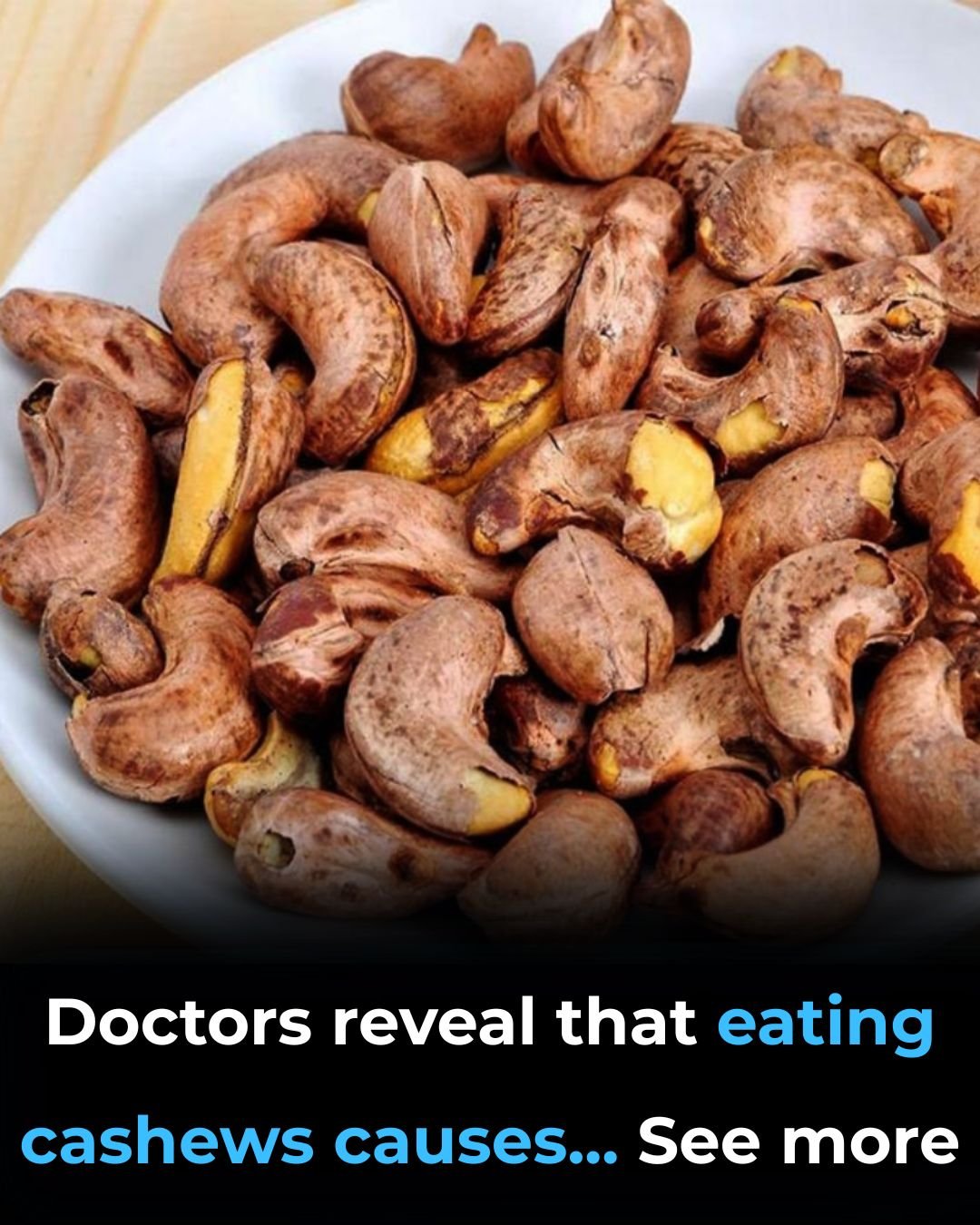
Doctors reveal that eating cashews causes a lot of confusion—mostly because headlines often stop short of the full story. You may have seen dramatic claims suggesting cashews lead to weight gain, kidney stones, or heart problems. However, when you look at real medical and nutrition research, a very different picture emerges.
For most people, cashews are not a problem food at all. In fact, they are a nutrient-dense option that supports heart health, metabolism, and overall well-being when eaten in reasonable amounts. The key, as with many foods, lies in context, portion size, and individual health needs.
I used to feel skeptical about nuts after reading mixed headlines. Some made them sound essential, while others made them sound risky. Once I looked at the actual research, it became clear that cashews were not the villain. They simply needed to be eaten with awareness rather than fear.
What Cashews Actually Do in the Body
Nutrient support backed by research
Cashews provide a unique combination of healthy fats, minerals, and plant-based protein. They are rich in monounsaturated fats, the same type found in olive oil, which support heart health and healthy cholesterol levels.
They also contain magnesium, which helps regulate muscle and nerve function, supports bone health, and plays a role in blood sugar control. Copper and zinc found in cashews support immune function and metabolic processes.
Because of this nutrient profile, cashews contribute to overall health rather than detract from it.
Heart health and metabolic benefits
Large population studies consistently show that people who eat nuts regularly tend to have better cardiovascular outcomes. Cashews are no exception.
According to guidance from the American Heart Association, consuming nuts four to five times per week is associated with improved heart health. Research links nut consumption to lower LDL cholesterol, reduced inflammation, and better blood vessel function.
Cashews also have a relatively low glycemic impact when eaten in moderation, which supports stable blood sugar levels.
Why the Headlines Sound Alarming
The problem with sensational claims
“Doctors reveal that eating cashews causes…” is often a headline designed to grab attention rather than convey nuance. These claims usually leave out important qualifiers like “in excess” or “for specific medical conditions.”
Cashews are calorie-dense, which means overeating them can contribute to excess calorie intake. However, that is true of many healthy foods, including olive oil and avocado.
The food itself is rarely the issue. Portion size and overall diet matter far more.
How misinformation spreads
Health fears spread quickly because they feel urgent. A single study taken out of context can turn into a viral claim.
Nutrition science rarely works in absolutes. It focuses on patterns, averages, and long-term outcomes. Headlines often ignore that complexity.
Understanding this helps reduce unnecessary anxiety around otherwise healthy foods.
When Eating Cashews Might Cause Concerns
Overeating and calorie balance
Cashews are energy-dense. Eating large amounts mindlessly can contribute to weight gain if total calorie intake consistently exceeds needs.
A standard serving is about one ounce, or a small handful. Within that range, cashews support satiety rather than overeating.
They are best enjoyed as part of balanced meals or snacks.
Kidney stones and mineral balance
Cashews contain oxalates, compounds that can contribute to kidney stone formation in people who are already prone to oxalate stones.
For most people, this is not an issue. However, individuals with a history of kidney stones may need to moderate intake and balance cashews with calcium-rich foods.
This is a specific medical consideration, not a general health warning.
Allergies and sensitivities
Tree nut allergies are real and can be serious. Anyone with a diagnosed nut allergy should avoid cashews entirely.
Some people also experience digestive discomfort if they eat large quantities at once. This is usually due to fat content rather than toxicity.
Listening to individual responses is important.
How Cashews Fit Into a Healthy Diet
Portion size makes the difference
When eaten in appropriate portions, cashews support fullness and satisfaction. Their combination of fat, protein, and fiber helps reduce the urge to snack excessively later.
They work well paired with fruit, yogurt, or vegetables for balanced snacks.
Mindful eating keeps their benefits intact.
Choosing the best form
Raw or dry-roasted cashews without excessive salt are the best options. Highly salted or sugar-coated varieties reduce health benefits.
Reading labels helps avoid unnecessary additives.
Simple preparation keeps cashews aligned with health goals.
The Bigger Picture on Nuts and Health
Consistency over restriction
Regular nut consumption is linked to better long-term health outcomes. Cashews contribute to this pattern alongside almonds, walnuts, and pistachios.
Avoiding nutritious foods out of fear often does more harm than good.
Balanced, consistent habits matter more than eliminating single foods.
Individual health always matters
Nutrition is not one-size-fits-all. Medical conditions, allergies, and metabolic differences shape how foods affect each person.
Personalized guidance from healthcare professionals always outweighs generalized headlines.
Awareness empowers better choices.
Frequently Asked Questions
Do cashews cause weight gain?
Only if eaten in excess. Moderate portions support satiety.
Are cashews bad for the heart?
No. They support heart health when eaten regularly and in balance.
Should people with kidney stones avoid cashews?
Only those with oxalate-related stones may need to limit intake.
Are cashews high in sugar?
No. They contain very little natural sugar.
How often should I eat cashews?
A few times per week in moderate portions fits most healthy diets.
Conclusion
Doctors reveal that eating cashews causes concern mainly because headlines remove context. In reality, cashews are a nutrient-rich food that supports heart health, metabolism, and overall wellness for most people.
Problems arise only in specific situations, such as overeating, allergies, or certain medical conditions. When eaten mindfully and in reasonable portions, cashews are not something to fear—they are something to enjoy as part of a balanced, science-backed diet.


No Responses Yet