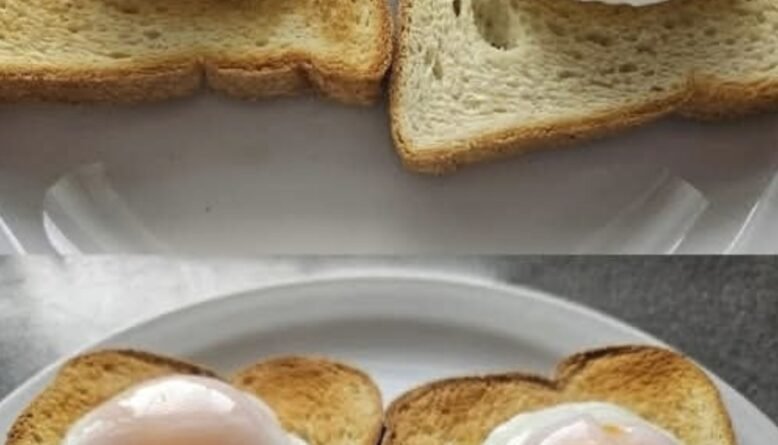
Poached eggs—silky, runny yolks wrapped in tender, cloud-like whites—are the crown jewel of breakfast and brunch. Yet, for many home cooks, achieving that perfect poach feels elusive. Too often, eggs end up as wispy, broken messes, scattering in the water like confetti.
The good news? You don’t need vinegar, a whirlpool, or a culinary degree to get restaurant-quality poached eggs. With fresh eggs, gentle heat, and a simple straining trick, you can make compact, flawless poached eggs every single time—no stress, no fuss.
Why This Method Works
Most poached egg fails happen because:
- Old eggs → watery whites that drift apart
- Boiling water → turbulence shreds the egg
- No prep → excess watery albumen clouds the water
This method solves all three problems with zero vinegar, no swirling, and minimal cleanup.
What You’ll Need
- Fresh eggs (as fresh as possible for best results)
- Medium saucepan
- Water
- Slotted spoon
- Fine mesh strainer or small sieve
Optional: salt and pepper for serving, toasted bread or English muffins
Step-by-Step Instructions
1. Prep the Eggs
- Crack each egg into a small bowl or ramekin.
- Using a fine mesh strainer, gently strain the egg to remove the watery part of the white (the thin, runny albumen). This keeps the egg compact during poaching.
2. Heat the Water
- Fill a medium saucepan with about 3 inches of water.
- Heat until small bubbles form on the bottom of the pan, just below a gentle simmer (around 180–190°F / 82–88°C).
3. Poach the Eggs
- Gently slide the strained egg into the water.
- Cook for 3–4 minutes for a runny yolk, or 5 minutes for a slightly firmer yolk.
- Avoid stirring or swirling; still water ensures the egg holds its shape.
4. Remove and Serve
- Use a slotted spoon to lift the egg from the water.
- Let it drain on a paper towel or plate.
- Serve immediately on toast, English muffins, salads, or atop grain bowls. Season with salt and pepper.
Tips for Perfect Poached Eggs
- Use the freshest eggs possible – older eggs spread more in water.
- Don’t boil – gentle heat prevents the whites from shredding.
- Straining is key – it removes excess watery white and keeps the egg neat.
- Serve immediately – poached eggs are best fresh.
Optional: add a splash of cream or drizzle with hollandaise for a decadent touch.
Conclusion
Poached eggs don’t have to be intimidating. With this foolproof, no-stress method, you can enjoy restaurant-quality eggs at home anytime. The combination of fresh eggs, gentle water temperature, and simple straining ensures tender whites and perfectly runny yolks every time.
Whether for breakfast, brunch, or a quick protein-packed lunch, these poached eggs are elegant, satisfying, and a surefire way to impress—without any vinegar, swirling, or culinary anxiety. Once you try this method, perfectly poached eggs will become a simple, go-to skill in your kitchen.


No Responses Yet