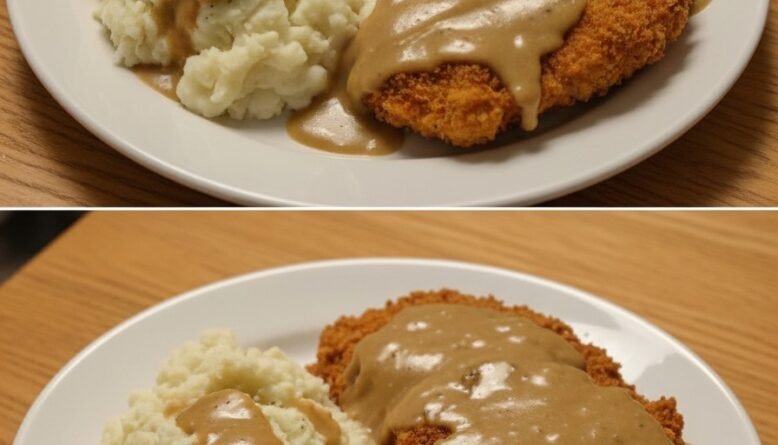
We’ve all done it.
Peel the potatoes.
Chop them into chunks.
Drop them into cold water.
Boil until tender.
Mash with butter and milk.
It’s the traditional method… but it’s also the reason your mashed potatoes sometimes turn out watery, gluey, or bland — no matter how much butter you stir in.
The truth? Plain water is working against you.
🚫 The Problem with Boiling in Plain Water
1️⃣ Flavor Loss
Potatoes are like sponges.
They absorb the liquid they cook in.
If that liquid is plain water, you’re building flavor on a blank foundation.
Result: bland mashed potatoes that rely too heavily on added butter and cream.
2️⃣ Waterlogged Texture
When potatoes cook in excess water:
- They absorb too much moisture.
- That trapped water releases when mashed.
- The final result becomes loose or gummy.
You’re fighting dilution instead of enhancing texture.
3️⃣ Uneven Cooking
Large chunks in rapidly boiling water cook unevenly:
- Outside becomes overcooked.
- Inside may still be firm.
- Overworked potatoes = gluey mash.
4️⃣ Missed Seasoning Opportunity
Cooking is layering flavor.
If you wait until the end to season, you’ve already missed your biggest chance.
✅ The Better Way (Chef-Approved Method)
Step 1: Start in Cold, Heavily Salted Water
Use water that tastes like the sea.
This seasons potatoes from the inside out.
Not just surface flavor — internal flavor.
Step 2: Simmer, Don’t Rapid-Boil
Gentle simmer = even cooking.
Keep bubbles soft and steady.
Step 3: Drain — Then Return to the Pot
Here’s the secret most people skip:
After draining, place potatoes back into the hot pot over low heat for 1–2 minutes.
Shake gently.
This evaporates excess surface moisture.
Dry potatoes = fluffy mash.
🥔 Even Better: Skip Water Altogether
For ultra-luxurious mashed potatoes, try:
🔥 Steam Instead of Boil
Steaming prevents water absorption.
🥛 Simmer in Milk & Butter
Cook potatoes directly in a mixture of milk and butter.
They absorb richness instead of water.
Flavor level: restaurant quality.
🧈 How to Mash Properly (Avoid Gluey Potatoes)
Use:
- Potato ricer
- Food mill
- Hand masher
Avoid electric mixers.
Overworking activates starch, causing gumminess.
🥄 The Ideal Mashed Potato Formula
- Yukon Gold potatoes (naturally buttery)
- Salted cooking water
- Thorough draining
- Drying step
- Warm butter first
- Warm cream second
- Mash gently
Layer. Layer. Layer.
🧂 Bonus Pro Tip
Add butter before adding cream.
Butter coats starch molecules, preventing gumminess.
Then add warm cream gradually.
🥔 Best Potatoes to Use
Yukon Gold – creamy and buttery
Russet – fluffy but more absorbent
Red potatoes – best for rustic mash
Avoid waxy potatoes for smooth mash.
🕒 Quick Comparison
Boiled in Plain Water:
- Bland
- Watery
- Inconsistent
Salted + Dried Method:
- Rich
- Fluffy
- Deeply flavorful
🧄 Flavor Add-Ins (After Perfect Base)
- Roasted garlic
- Fresh chives
- Brown butter
- Parmesan
- Sour cream
- Cream cheese
But remember — these are enhancements, not fixes.
If your base is correct, you need less.
Conclusion
Boiling mashed potatoes in plain water might be tradition — but it’s not the best method.
Flavor leaks out.
Texture suffers.
You compensate with more dairy than necessary.
Instead, cook in well-salted water, dry them thoroughly, and mash gently.
The result?
Fluffy. Rich. Creamy. Perfect every time.
Sometimes the smallest technique change makes the biggest difference.
And once you try it this way, you’ll never go back.


No Responses Yet