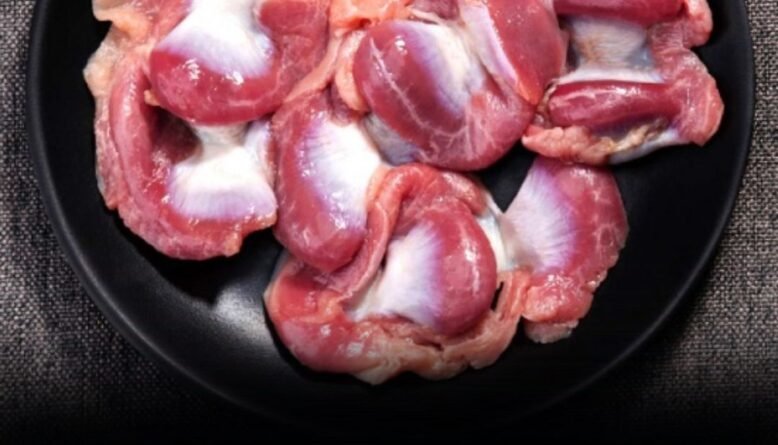
If you’ve ever passed over chicken gizzards at the market—thinking they’re “too chewy,” “old-fashioned,” or just unfamiliar—it might be time to take another look.
These humble organ meats have been treasured for generations across Southern kitchens, Latin American stews, Asian stir-fries, and African braises. Why? Because they’re affordable, deeply flavorful, and surprisingly nutrient-dense.
In a world where protein powders and superfoods dominate headlines, chicken gizzards quietly deliver impressive health benefits using nothing more than traditional, whole-food nutrition.
Let’s break down why they deserve a place back on your plate.
💪 Why Gizzards Are a Superfood in Disguise
✅ 1. High-Quality, Complete Protein
A 3.5-ounce (100g) serving of chicken gizzards provides approximately 16–20 grams of complete protein, meaning it contains all nine essential amino acids your body needs.
That’s comparable to chicken breast—but typically at a lower cost.
Protein supports:
- Muscle repair and growth
- Hormone production
- Immune function
- Satiety (helps you feel full longer)
For budget-conscious families, gizzards are one of the most affordable high-protein options available.
🩸 2. Rich in Iron (Especially Heme Iron)
Gizzards are particularly high in heme iron, the form of iron most easily absorbed by the body.
Iron is essential for:
- Preventing fatigue
- Supporting red blood cell production
- Reducing anemia risk
- Enhancing oxygen circulation
Women, athletes, and individuals with iron deficiency may especially benefit from iron-rich foods like gizzards.
🧠 3. Packed with B Vitamins
Chicken gizzards are loaded with B vitamins, including:
- Vitamin B12 – Supports nerve health and energy production
- Niacin (B3) – Aids metabolism and cholesterol regulation
- Riboflavin (B2) – Helps convert food into usable energy
These vitamins play a key role in maintaining steady energy levels and cognitive function.
🦴 4. Natural Source of Collagen & Connective Tissue Nutrients
Because gizzards are muscular organs, they contain connective tissue components that provide:
- Collagen-supporting amino acids
- Glycine (beneficial for joint health and sleep support)
- Structural proteins important for skin elasticity
Slow-cooked gizzards become tender while retaining these beneficial nutrients.
💰 5. Budget-Friendly & Sustainable
Organ meats like gizzards represent nose-to-tail eating—a traditional practice that minimizes food waste and maximizes nutritional value.
They are:
- Inexpensive
- Widely available
- Environmentally responsible
Often priced far below premium cuts, they offer exceptional nutritional value per dollar.
🥘 But Aren’t Gizzards Tough?
Yes—if cooked incorrectly.
Gizzards are naturally firm because they’re muscular organs. The key is proper preparation.
Two Best Methods:
1️⃣ Slow Simmering (Tender & Rich)
Simmer gently for 60–90 minutes in:
- Broth
- Onion
- Garlic
- Bay leaves
They’ll become fork-tender and deeply savory.
2️⃣ Quick Frying (After Tenderizing)
Boil first, then:
- Pat dry
- Lightly flour
- Pan-fry until golden
Result? Crispy outside, tender inside.
🌍 How Different Cultures Enjoy Gizzards
Gizzards are beloved worldwide:
- Southern U.S. – Fried gizzards
- Mexico – Gizzard tacos
- Philippines – Adobong balunbalunan
- West Africa – Spiced gizzard skewers
- Eastern Europe – Gizzard soup
This isn’t fringe food—it’s traditional global nourishment.
🥗 Simple Ways to Try Them
If you’re new to gizzards, start simple:
- Add chopped tender gizzards to stuffing
- Toss into pasta sauce
- Mix into hearty stews
- Serve over rice with gravy
- Skewer and grill with spices
They pair beautifully with bold seasonings like paprika, garlic, thyme, chili flakes, or soy sauce.
⚖️ Are There Any Downsides?
Gizzards are nutrient-dense but should be eaten in moderation as part of a balanced diet.
They are:
- Higher in cholesterol than chicken breast
- Best enjoyed alongside vegetables and whole grains
As with all organ meats, balance is key.
🍽️ Who Might Benefit Most?
Chicken gizzards may be particularly helpful for:
- Individuals with iron deficiency
- Women during menstruation
- Athletes needing protein
- People on high-protein diets
- Budget-focused families
- Traditional whole-food eaters
💡 Pro Cooking Tips
✔ Clean thoroughly before cooking
✔ Trim excess connective tissue
✔ Always cook until tender
✔ Season generously—gizzards love bold flavors
✔ Avoid overcooking when frying
🧡 Why They’re Making a Comeback
As more people turn toward:
- Whole-food nutrition
- Traditional cooking methods
- Budget-conscious grocery shopping
- Nose-to-tail sustainability
Organ meats—including gizzards—are experiencing renewed interest.
They’re not trendy. They’re timeless.
🥄 Final Thoughts
Chicken gizzards may not look glamorous in the butcher case—but nutritionally, they’re incredibly impressive.
Rich in protein, iron, B vitamins, and connective tissue nutrients, they deliver powerful benefits at a fraction of the cost of premium cuts.
With the right cooking technique, they transform into something deeply savory, tender, and satisfying.
So next time you see a pack of gizzards at the store, don’t pass them by.
You might just discover one of the most underrated superfoods in your kitchen.
Simple. Nutritious. Surprisingly delicious.


No Responses Yet