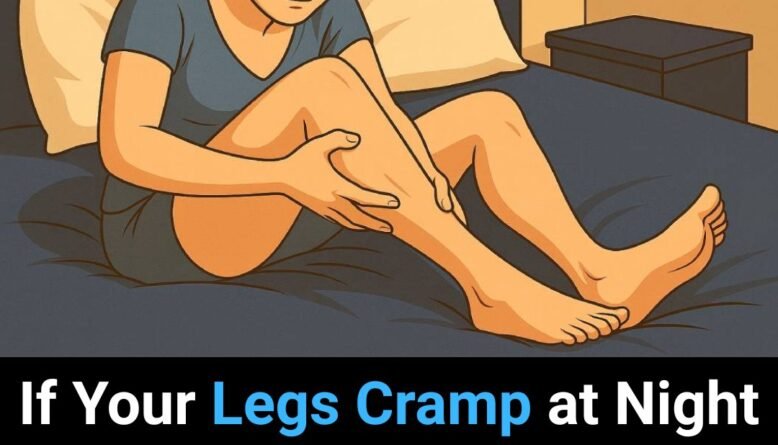
You’re fast asleep—then suddenly your calf tightens like a vise.
Sharp. Intense. Unavoidable.
Nighttime leg cramps (also called nocturnal leg cramps) can last seconds or several minutes, and the soreness can linger until morning. They’re common—especially after 40—but they are not something you just have to live with.
In many cases, leg cramps are your body’s signal that something is off. The good news? Most causes are fixable.
Let’s break it down clearly and practically.
🔍 The Top Causes of Nighttime Leg Cramps
1️⃣ Dehydration or Electrolyte Imbalance
Muscles rely on electrolytes—magnesium, potassium, calcium, and sodium—to contract and relax properly. When levels drop, muscles misfire.
Common triggers:
- Not drinking enough water
- Sweating (exercise or hot weather)
- Alcohol
- Diuretics (“water pills”)
- Low-carb diets without proper mineral intake
✅ What Helps:
- Drink water consistently during the day (not just before bed)
- Add a pinch of sea salt + squeeze of lemon to water
- Eat potassium-rich foods: bananas, sweet potatoes, spinach, avocado
- Consider magnesium glycinate (200–400 mg at night, only with doctor approval)
2️⃣ Magnesium Deficiency (The #1 Overlooked Culprit)
Magnesium helps muscles relax. Without enough of it, muscles stay tense and prone to spasms.
Many adults are mildly deficient without realizing it.
Higher risk if you:
- Drink coffee regularly
- Are under chronic stress
- Take certain medications (like PPIs or diuretics)
- Have digestive issues
✅ What Helps:
- Magnesium glycinate or citrate before bed
- Epsom salt baths
- Topical magnesium oil on calves
- Foods: pumpkin seeds, almonds, dark leafy greens
3️⃣ Poor Circulation
If blood flow to the legs is reduced, muscles may cramp more easily.
Clues:
- Cold feet
- Tingling
- Varicose veins
- Sitting long hours
✅ What Helps:
- Gentle evening stretching
- Light walking after dinner
- Elevating legs briefly before bed
- Compression socks (if recommended by your doctor)
4️⃣ Tight or Overworked Muscles
Long periods of sitting, standing, or intense exercise can shorten and fatigue muscles.
✅ What Helps:
Before bed, try:
- Calf wall stretch
- Hamstring stretch
- Ankle rotations
- Light foam rolling
Even 5 minutes can dramatically reduce nighttime cramps.
5️⃣ Medical Conditions or Medications
Sometimes leg cramps signal something more serious:
- Diabetes
- Kidney disease
- Thyroid disorders
- Peripheral artery disease
- Pregnancy
- Certain blood pressure medications or statins
If cramps are:
- Severe
- Frequent
- Accompanied by swelling or weakness
- Affecting both legs consistently
👉 Talk to your healthcare provider.
🚨 What To Do During a Cramp (Immediate Relief)
When it strikes:
- Flex your foot toward your face (pull toes upward).
- Gently massage the muscle.
- Stand and put weight on the leg.
- Apply warmth (heating pad) or alternate heat + gentle stretching.
Avoid pointing your toes—this can worsen calf cramps.
💤 Bedtime Routine to Prevent Night Cramps
Here’s a simple 5-step prevention plan:
✔ Stay hydrated during the day
✔ Stretch calves and hamstrings before bed
✔ Consider magnesium (with medical guidance)
✔ Keep blankets loose at feet (tight bedding can trigger cramps)
✔ Avoid heavy alcohol in the evening
Small daily habits = big relief.
🧠 When to Take It Seriously
Seek medical evaluation if you experience:
- Sudden swelling or redness in one leg (possible blood clot)
- Persistent weakness
- Muscle wasting
- Cramps that worsen progressively
Most nighttime cramps are benign—but severe or unusual symptoms deserve attention.
Conclusion
Nighttime leg cramps may feel random and cruel—but they usually aren’t. In many cases, they’re a signal from your body: you need hydration, minerals, circulation support, or simple stretching.
The encouraging part? Most people see improvement quickly once they address the root cause.
Better minerals. Better movement. Better sleep.
You don’t have to dread going to bed anymore.


No Responses Yet