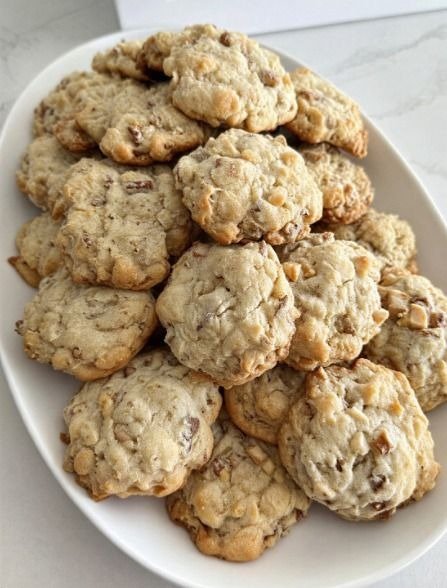
Aunt Betty’s Homestyle German Rocks cookies bring old-fashioned comfort straight into your kitchen. These classic cookies feel rich, buttery, and gently spiced, with a texture that lands somewhere between shortbread and a soft drop cookie. Rolled generously in sugar, Aunt Betty’s Homestyle German Rocks cookies bake up with a sparkly crust and a tender, crumbly center that holds beautifully for days.
This recipe comes from a time when baking focused on simplicity, thrift, and flavor. Aunt Betty’s Homestyle German Rocks cookies rely on pantry staples and straightforward steps, yet they deliver a result that feels special. Whether you bake them for the holidays, for a cookie tin gift, or simply for a quiet afternoon with coffee, these cookies always feel right.
I remember discovering this recipe while cleaning out an old handwritten recipe box tucked away in a family cupboard. The card was yellowed, the handwriting uneven, and the instructions charmingly brief. Still, the smell that filled the kitchen once the cookies baked felt instantly familiar. They reminded me of visiting older relatives, where a tin of cookies always sat on the counter, ready for guests. Baking these cookies now brings that same sense of warmth and ease, where time slows down and simple food feels meaningful.
The History Behind Aunt Betty’s Homestyle German Rocks
Why they are called “rocks”
Despite the name, Aunt Betty’s Homestyle German Rocks cookies are not hard or tough. Instead, the name refers to their sturdy nature. These cookies were designed to keep well without refrigeration, which made them practical for farm kitchens and long winters. Once baked and cooled, they stayed fresh in tins for weeks.
The sugar coating also helped preserve the cookies while adding texture and sweetness. As a result, these cookies became a staple for households that valued practicality as much as flavor. Even today, that durability makes them ideal for make-ahead baking.
Because of their rustic look, the cookies resemble small stones once baked. That appearance likely inspired the playful name that stuck through generations.
A Midwestern and Pennsylvania Dutch favorite
Aunt Betty’s Homestyle German Rocks cookies trace their roots to Midwestern and Pennsylvania Dutch kitchens. Families passed down versions of the recipe, often adjusting spices or adding nuts depending on what was available.
While some versions include cinnamon or nutmeg, others remain plain and buttery. This flexibility allowed the recipe to adapt easily across households. Even so, the core texture and sugar-coated exterior remained consistent.
These cookies often appeared during holidays, church gatherings, and everyday visits. Their humble nature made them welcoming rather than fancy, which helped them earn a lasting place in family traditions.
Ingredients That Make These Cookies Special
Pantry staples with purpose
Aunt Betty’s Homestyle German Rocks cookies rely on everyday ingredients that work together beautifully. Butter provides richness and structure, while sugar sweetens and creates the signature crust. Eggs bind the dough and give the cookies a soft interior.
Flour forms the base, while baking powder adds gentle lift. Salt balances sweetness, and vanilla rounds out the flavor. Optional cinnamon adds warmth without overpowering the butter.
Because each ingredient plays a clear role, quality matters. Using real butter and fresh eggs makes a noticeable difference in texture and flavor.
Optional additions without complication
Many families add chopped walnuts or pecans for extra crunch. Others prefer to keep the cookies nut-free, which works just as well. Either way, the dough remains sturdy and easy to handle.
You can also adjust spice levels to taste. Some versions include just a hint of cinnamon, while others lean into a stronger spice profile. The recipe adapts easily without losing its character.
This flexibility allows Aunt Betty’s Homestyle German Rocks cookies to suit different preferences while staying true to their roots.
Step-by-Step Method for Perfect Results
Mixing the dough correctly
Start by creaming softened butter with part of the sugar until light and fluffy. This step incorporates air, which helps the cookies bake evenly. Add the eggs one at a time, mixing well after each addition.
Stir in vanilla, then gradually add the dry ingredients. Mixing just until combined keeps the cookies tender. Overmixing can lead to a dense texture, so stop as soon as the dough comes together.
If adding nuts, fold them in gently at the end. The dough should feel soft but not sticky, making it easy to roll.
Shaping and baking
Roll the dough into small balls, about one inch each. Coat them generously in the remaining sugar. This step creates the signature sparkle and slight crunch on the outside.
Place the cookies on a lined baking sheet with space between them. Bake until the edges set and the tops look lightly golden. The centers may feel soft at first, but they firm up as they cool.
Allow the cookies to cool on the pan briefly before transferring them to a rack. This helps them hold their shape while finishing the baking process.
Serving, Storing, and Variations
Best ways to enjoy them
Aunt Betty’s Homestyle German Rocks cookies pair beautifully with coffee, tea, or milk. Their mild sweetness makes them easy to enjoy any time of day. They also work well on dessert trays alongside more elaborate treats.
Because they are not overly soft or delicate, they travel well. That makes them ideal for sharing or gifting during the holidays.
Their flavor improves slightly after a day, as the butter and sugar settle together. Many bakers find them even better the next day.
Storage and easy tweaks
Store the cookies in an airtight tin at room temperature. They stay fresh for up to two weeks, sometimes longer. Avoid storing them with very soft cookies, as moisture can affect texture.
For variation, add a pinch of nutmeg or cardamom. You can also reduce sugar slightly for a less sweet version. Gluten-free flour blends work well if you need an alternative.
No matter how you adjust them, Aunt Betty’s Homestyle German Rocks cookies remain dependable and comforting.
Frequently Asked Questions
Why are my cookies spreading too much?
Butter that is too warm can cause spreading. Chill the dough briefly if needed.
Can I freeze the dough?
Yes. Freeze rolled dough balls and bake from frozen with a slight time adjustment.
Do these cookies get hard?
No. They stay firm but crumbly, not hard.
Can I skip the sugar coating?
You can, but the coating adds texture and helps preserve the cookies.
How many cookies does this recipe make?
Typically 36 to 48 cookies, depending on size.
Conclusion
Aunt Betty’s Homestyle German Rocks cookies prove that simple recipes can stand the test of time. With basic ingredients, easy steps, and a comforting result, these cookies fit seamlessly into modern kitchens while honoring tradition. Whether you bake them for nostalgia or convenience, they deliver warmth, flavor, and reliability in every bite.


No Responses Yet