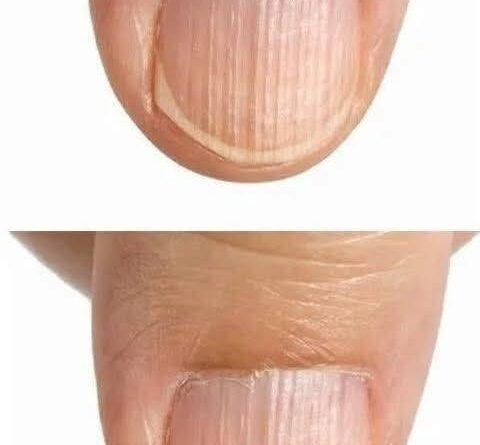
Ridges on your fingernails might seem like a small cosmetic detail, yet they can sometimes offer helpful insight into your overall health. While many nail ridges are completely harmless and develop naturally with age, others may signal nutritional gaps, physical stress, or underlying medical conditions. Understanding what causes nail ridges—and when to pay attention—can help you make informed decisions about your health.
Your nails grow slowly over time, and just like hair and skin, they reflect changes happening inside your body. Therefore, noticing new lines, grooves, or texture changes should not cause panic, but they should encourage awareness.
Let’s take a closer look at what nail ridges mean and what you should know.
What Are Nail Ridges?
Nail ridges are raised lines or indentations that form on the nail surface. They can appear on fingernails or toenails and vary in depth and direction.
There are two main types:
Vertical Ridges
Vertical ridges run from the cuticle to the tip of the nail. These are the most common and are often harmless.
Horizontal Ridges (Beau’s Lines)
Horizontal ridges run across the nail from side to side. These can indicate that nail growth was temporarily interrupted.
Because nails grow slowly—about 2 to 3 millimeters per month—any disruption in growth becomes visible over time.
Common Causes of Nail Ridges
1. Aging
Vertical ridges are a normal part of aging. As you grow older:
- Nail cell turnover slows
- Natural oil production decreases
- Hydration levels drop
As a result, ridges become more visible. If they develop gradually and appear on most nails, aging is likely the cause.
These ridges are typically harmless and do not require treatment.
2. Dehydration
Just like skin, nails need moisture. Frequent handwashing, exposure to harsh chemicals, and dry climates can reduce nail hydration.
When nails become dry, vertical ridges may appear more pronounced. Applying hand cream and cuticle oil regularly can improve nail texture over time.
3. Nutritional Deficiencies
Certain nutrient deficiencies may affect nail appearance.
Common deficiencies associated with nail changes include:
- Iron deficiency
- Vitamin B12 deficiency
- Folate deficiency
- Protein deficiency
If ridges appear along with fatigue, pale skin, hair thinning, or brittle nails, it may be helpful to consult a healthcare provider for blood tests.
However, ridges alone do not confirm a deficiency.
4. Physical Trauma
Injury to the nail matrix (the area under the cuticle where nails grow) can cause ridges.
This may happen from:
- Slamming a finger
- Repeated nail biting
- Aggressive manicures
- Excessive buffing
Once the injury heals, the ridge usually grows out with the nail.
5. Illness or Severe Stress (Beau’s Lines)
Horizontal ridges, called Beau’s lines, often appear after significant stress on the body.
Possible triggers include:
- High fever
- Severe infections
- Major surgery
- Emotional trauma
- Chronic illness
When the body redirects energy toward healing, nail growth may temporarily pause. As growth resumes, a visible groove forms.
Because nails grow slowly, these lines may appear weeks after the stressful event.
6. Chronic Health Conditions
Certain medical conditions may influence nail texture, including:
- Thyroid disorders
- Diabetes
- Psoriasis
- Autoimmune diseases
If nail ridges occur alongside other symptoms such as weight changes, fatigue, skin issues, or joint pain, medical evaluation may be appropriate.
When Should You See a Doctor?
Most vertical ridges are harmless. However, consider medical advice if you notice:
- Deep horizontal grooves across multiple nails
- Sudden or severe nail texture changes
- Dark streaks or discoloration
- Nail separation from the nail bed
- Swelling, redness, or pain
Sudden nail changes deserve attention, especially if they appear with other unexplained symptoms.
How to Support Healthy Nails
While not all ridges can be prevented, you can promote stronger, healthier nails with simple habits.
1. Maintain Balanced Nutrition
Include:
- Lean proteins
- Leafy greens
- Whole grains
- Healthy fats
- Iron-rich foods
Balanced nutrition supports consistent nail growth.
2. Stay Hydrated
Drink enough water daily. Additionally, apply hand and cuticle moisturizers regularly to prevent dryness.
3. Protect Your Nails
Wear gloves when cleaning or using chemicals. Avoid over-buffing and harsh nail treatments that thin the nail plate.
4. Avoid Picking or Biting
Repeated trauma to the nail bed can cause ridges and irregular growth.
Frequently Asked Questions
Are vertical ridges dangerous?
No. They are common and usually harmless.
Can supplements remove nail ridges?
Only if a diagnosed deficiency exists. Otherwise, supplements may not change nail texture.
Do horizontal ridges mean serious illness?
Not always. They often reflect past stress or temporary illness.
Will ridges go away?
If caused by temporary stress or injury, they grow out over time. Age-related ridges may remain.
Do nail ridges affect nail strength?
Mild ridges usually do not impact nail function.
Conclusion
Ridges on fingernails are often a normal and harmless part of aging. However, in certain situations, they can reflect dehydration, nutritional imbalances, physical stress, or underlying health conditions. The key is to observe patterns and pay attention to accompanying symptoms.
If ridges develop gradually and without other changes, they are likely nothing to worry about. If they appear suddenly, deepen significantly, or accompany other health concerns, a medical consultation can provide clarity and reassurance.
Your nails may seem small, yet they quietly record your body’s experiences. Staying aware—without alarm—helps you take proactive steps toward overall well-being.


No Responses Yet