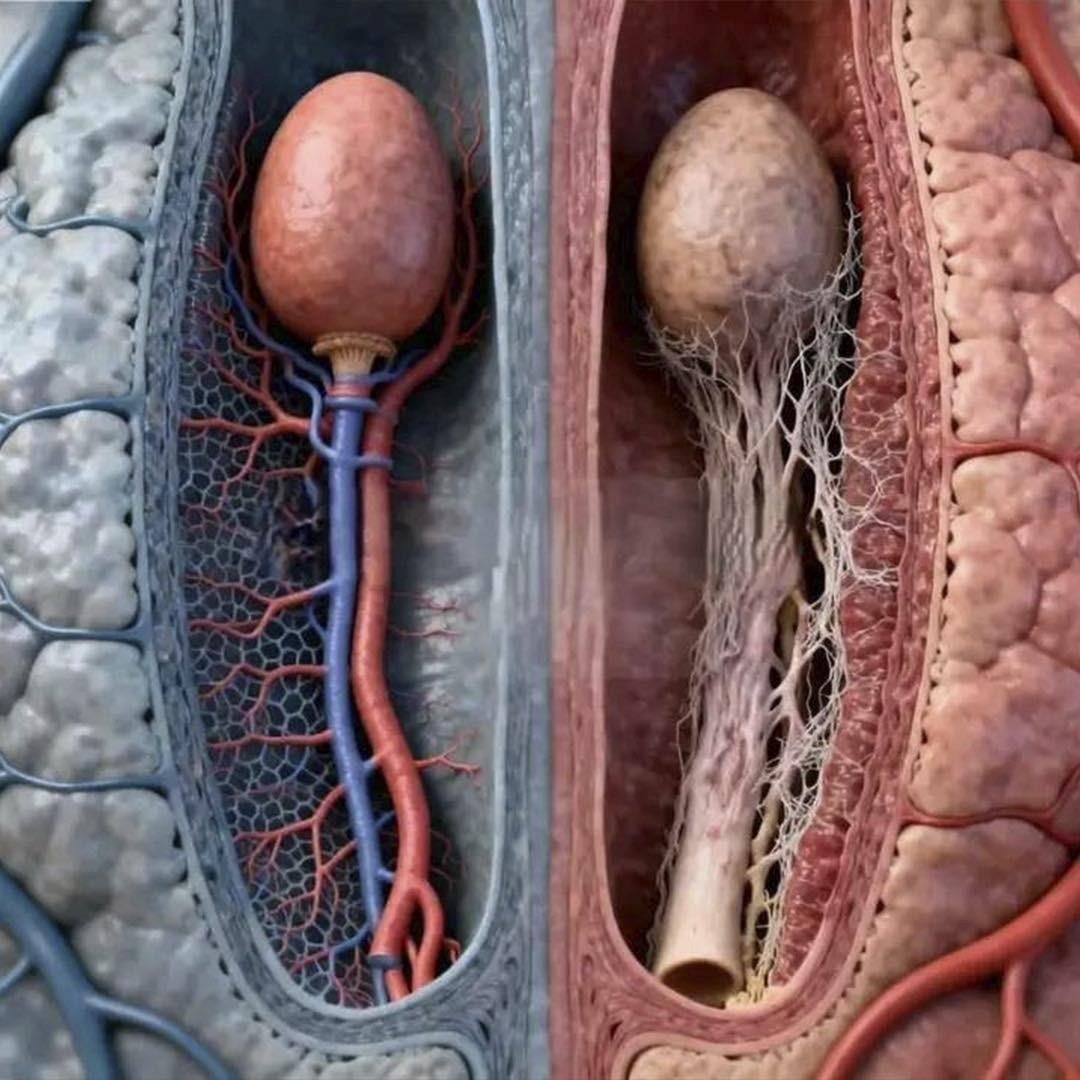
Aging affects every part of the human body, and men are no exception. While headlines and online rumors often exaggerate or distort these changes, most age-related differences in male anatomy and sexual health are normal, gradual, and manageable. Understanding what truly happens can reduce anxiety and help men make informed health decisions.
Normal Physical Changes in Men as They Age
As men grow older, their bodies experience shifts influenced by hormones, circulation, and cellular aging. These changes usually begin slowly in the 30s and become more noticeable with time.
One of the most common changes involves testosterone levels. Testosterone naturally declines by about 1% per year after age 30. This can affect energy levels, muscle mass, mood, and sexual desire, but it does not suddenly disappear or drop to zero.
Another frequent change involves blood flow. Healthy erections depend on good circulation, and as blood vessels stiffen with age or due to lifestyle factors, erections may take longer to achieve or may not feel as firm as before. This is extremely common and often related to cardiovascular health rather than sexual organs themselves.
Sexual Health and Function Over Time
Sexual function can change with age, but it rarely stops entirely. Many men remain sexually active well into later life.
Common, normal changes include:
- Longer time needed to become aroused
- Increased recovery time between erections
- Slight decrease in sensitivity
These changes do not mean something is “wrong.” In fact, they are often responsive to lifestyle improvements, stress management, or medical treatment if needed.
Importantly, aging does not cause bizarre or dramatic anatomical changes. Claims suggesting extreme alterations are myths and misinformation.
Prostate Health and Urinary Changes
The prostate gland often enlarges with age, a condition known as benign prostatic hyperplasia (BPH). This is not cancer and affects more than half of men over 60.
Symptoms may include:
- Frequent urination, especially at night
- Weak urine stream
- Difficulty starting or stopping urination
These symptoms are treatable, and early evaluation helps prevent complications.
When Changes Are Not Normal
While many changes are harmless, some signs require medical attention. Men should consult a healthcare provider if they notice:
- Pain during urination or ejaculation
- Blood in urine or semen
- Sudden loss of sexual function
- Lumps, sores, or unusual skin changes
Early diagnosis leads to better outcomes and peace of mind.
Supporting Men’s Health at Any Age
Healthy aging is strongly influenced by daily habits. Regular exercise, balanced nutrition, adequate sleep, stress control, and avoiding smoking all support hormonal balance and circulation. Routine medical checkups also play a key role in maintaining quality of life.
The Bottom Line
Aging brings changes, but not the extreme or frightening ones often suggested online. Most differences in men’s bodies are natural, gradual, and manageable. With accurate information and proper medical care, men can maintain health, confidence, and vitality throughout their lives.


No Responses Yet