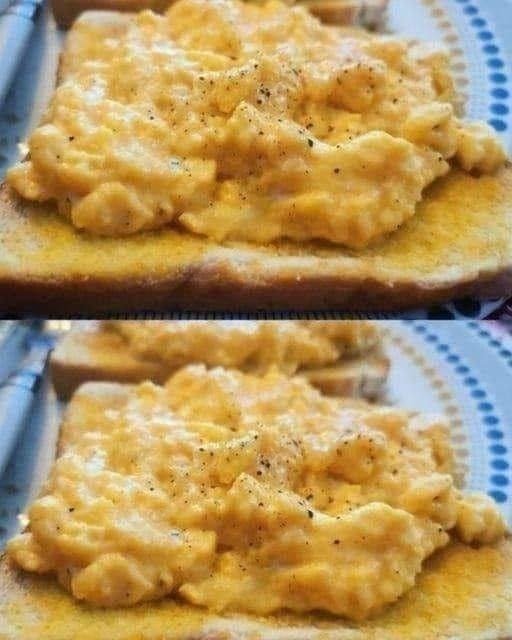
Scrambled eggs seem simple, yet they’re one of the most commonly overcooked foods in home kitchens. Dry, rubbery eggs usually come from one mistake: cooking them too fast. Perfect scrambled eggs should be soft, fluffy, creamy, and gently set—never stiff or browned.
The good news is that you don’t need special tools, fancy techniques, or expensive ingredients. With low heat, a little patience, and the right timing, you can make scrambled eggs that turn out beautifully every single time.
This method works whether you’re cooking breakfast for one or feeding a whole family.
Why Scrambled Eggs Go Wrong So Often
Scrambled eggs cook very quickly, and eggs continue to firm up even after they’re removed from the heat. Many people leave them in the pan too long or use heat that’s too high, which forces the proteins to tighten too fast. That’s what causes dryness.
Perfect eggs rely on gentle heat and early removal.
The Golden Rules of Perfect Scrambled Eggs
Low Heat Is Non-Negotiable
High heat cooks eggs aggressively and squeezes out moisture. Medium-low heat gives you control and keeps the eggs tender.
Whisk Thoroughly
Fully whisked eggs cook evenly and produce soft, uniform curds instead of streaky whites.
Butter Beats Oil
Butter adds flavor and coats the pan gently, helping prevent sticking without overheating the eggs.
Remove Early
Eggs should look slightly glossy and underdone in the pan. Residual heat finishes the job.
Ingredients You’ll Need
- Eggs
- Butter
- Salt
- Optional: milk or cream (very small amount)
That’s it. Great scrambled eggs don’t need much.
Step-by-Step: Foolproof Scrambled Eggs
Step 1: Whisk the Eggs Well
Crack the eggs into a bowl and whisk until the yolks and whites are completely blended and slightly foamy. This incorporates air, which helps create fluffier eggs.
If you like extra creaminess, add 1 teaspoon of milk or cream per 2 eggs—no more.
Step 2: Heat the Pan Gently
Place a nonstick skillet over medium-low heat. Add butter and let it melt slowly. It should foam lightly, not brown.
If the butter sizzles loudly or turns brown, the pan is too hot.
Step 3: Add Eggs and Wait
Pour the eggs into the pan and let them sit for a few seconds without stirring. This allows the base to begin setting gently.
Step 4: Stir Slowly and Gently
Using a spatula, gently push the eggs from the edges toward the center. Slow, sweeping motions create soft, fluffy curds.
Do not constantly stir. Let the eggs set slightly between movements.
Step 5: Remove Before They Look Done
When the eggs are mostly set but still slightly glossy and soft, remove the pan from the heat. Season with salt now—not earlier—to avoid watery eggs.
The remaining heat finishes cooking them perfectly.
What Perfect Scrambled Eggs Look Like
- Soft and moist
- Light yellow, not browned
- Tender curds, not stiff chunks
- Creamy, not wet
If they look slightly underdone in the pan, you’ve done it right.
Common Mistakes to Avoid
Cooking on High Heat
This is the fastest way to ruin scrambled eggs.
Over-Stirring
Constant stirring breaks curds down too much and releases moisture.
Leaving Eggs in the Pan
Hot pans keep cooking eggs even off the burner. Transfer immediately if needed.
Salting Too Early
Salt too soon can draw out moisture and thin the eggs.
Easy Flavor Add-Ins (Optional)
Add extras after the eggs are mostly cooked:
- Fresh herbs
- Shredded cheese
- Chives or green onions
- Cooked vegetables
- A small knob of butter for extra richness
Keep additions simple so the eggs stay the star.
Serving Suggestions
Perfect scrambled eggs pair beautifully with:
- Toast or buttered bread
- Potatoes or hash browns
- Fresh fruit
- Simple breakfast meats
They’re equally good on their own or as part of a larger breakfast spread.
Frequently Asked Questions
Should scrambled eggs be runny?
They should be soft and moist, not liquid.
Do I need milk?
No. Milk is optional and should be used sparingly.
Can I make them ahead?
Scrambled eggs are best fresh. Reheating dries them out.
Why do restaurant eggs taste better?
Lower heat, more patience, and butter.
Are nonstick pans required?
They make things easier but aren’t mandatory.
Conclusion
Perfect scrambled eggs aren’t about luck—they’re about control. Low heat, gentle stirring, and removing the eggs early make all the difference. Once you slow down and trust the process, you’ll never go back to dry, rubbery eggs again.
Master this simple technique, and you’ll have a reliable, comforting breakfast you can make perfectly every time—no matter how rushed the morning feels.


No Responses Yet