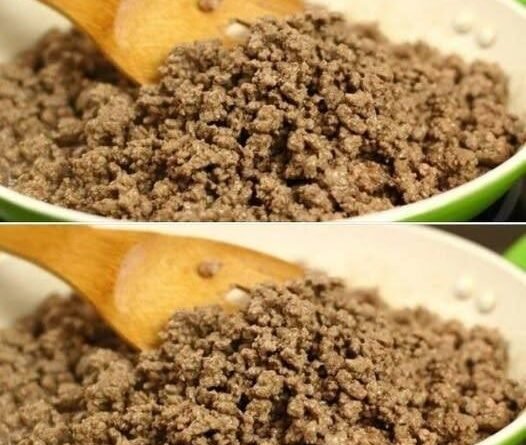
Rinsing ground beef after cooking is a practice many home cooks do with good intentions. Some believe it removes excess fat, makes the meat healthier, or cleans it of unwanted greasiness. While these reasons are understandable, modern food science and culinary expertise suggest that rinsing cooked ground beef is usually unnecessary—and may even harm the flavor and texture of your dish.
This article breaks down why people rinse beef, the science behind it, and smarter alternatives to achieve lean, flavorful meals.
Why People Rinse Ground Beef
Many of us grew up hearing tips from parents, grandparents, or friends that rinsing meat reduces fat or makes dishes healthier. Let’s examine the top three reasons people rinse ground beef and the reality behind them.
1. To Reduce Fat or Calories
Ground beef, especially 80/20 (80% lean, 20% fat), releases visible fat during cooking. The idea is that rinsing removes some of this fat, lowering calories and saturated fat intake.
The reality:
- Rinsing does remove surface fat, but it also washes away water-soluble nutrients, including B vitamins.
- Flavorful juices are lost in the process, leaving meat dry and bland.
- Leaner options like 90% or 93% lean beef are a much better solution for those concerned about fat content.
Tip: Drain the fat carefully with a spoon or tilt the pan to separate grease from the meat, instead of rinsing under water.
2. To “Clean” the Meat
Some cooks rinse cooked beef to remove perceived greasiness or impurities.
The reality:
- Ground beef sold in stores is already processed under sanitary conditions.
- Rinsing cooked beef doesn’t remove bacteria—it’s already been destroyed by proper cooking.
- Rinsing can actually increase the risk of cross-contamination if water splashes onto countertops or other foods.
Smarter alternative: Cook ground beef thoroughly to 160°F (71°C) and drain any excess fat safely into a container.
3. To Reduce Sodium or Seasoning
Rinsing meat is sometimes suggested to remove excess seasoning or salt.
The reality:
- Flavors and seasonings are water-soluble. Rinsing will wash away both fat and flavor.
- Instead, adjust seasoning before or during cooking, or choose low-sodium versions of sauces and ingredients.
Smarter Ways to Handle Ground Beef
If your goal is leaner, healthier, or tastier meals, there are safer alternatives than rinsing:
- Choose Lean Meat – Opt for 90% lean or higher ground beef. You’ll reduce fat without losing flavor.
- Drain the Fat – Use a spoon, colander, or tilt pan to remove fat. Do not rinse under running water.
- Cook at Proper Temperature – Cooking to 160°F ensures safety without needing to rinse.
- Add Flavor Without Fat – Use vegetables, onions, garlic, or low-sodium sauces for rich taste.
- Use Paper Towels (Optional) – After draining, blot meat lightly to remove surface grease if needed.
FAQ About Rinsing Ground Beef
Q1: Is it safe to rinse raw ground beef?
No. Rinsing raw meat can spread harmful bacteria onto your sink, countertop, and kitchen tools. Proper cooking is the only way to safely kill pathogens.
Q2: Can rinsing beef reduce calories significantly?
Not really. It removes only some fat from the surface. Choosing lean meat or draining fat after cooking is far more effective.
Q3: Does rinsing affect flavor?
Yes. It washes away juices, fat, and water-soluble flavor compounds, leaving the beef drier and less tasty.
Q4: What about beef for tacos or spaghetti?
Drain excess grease with a spoon or colander, then add seasonings. This preserves flavor while reducing fat safely.
Q5: Can rinsing help with dietary restrictions?
Only minimally. Leaner meat and careful draining are much safer and more effective for controlling fat, sodium, and calories.
Conclusion
Rinsing ground beef is mostly unnecessary and may actually hurt your dish’s flavor, texture, and nutrient content. Instead, choose lean meat, cook thoroughly, and drain excess fat safely. By following these simple practices, you’ll enjoy flavorful, safe, and healthier meals without wasting the natural juices that make ground beef so delicious.
Remember: the key to great ground beef is cooking, draining, and seasoning wisely—not rinsing.


No Responses Yet