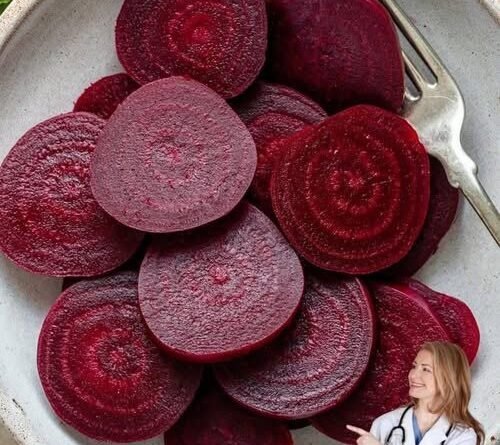
The Beetroot Upgrade: What happens to your body when you eat beets? You’ve likely heard that beets qualify as a “superfood.” While that word gets tossed around loosely, beets truly deliver impressive, research-backed benefits. They provide nitrates, antioxidants, fiber, folate, and essential minerals that support your heart, brain, digestion, and even exercise performance.
However, not every claim lives up to the hype. So instead of repeating wellness buzzwords, let’s focus on what doctors and researchers actually confirm. When you eat beets consistently, measurable changes happen inside your body—some within hours. At the same time, a few effects get exaggerated online.
A few years ago, I started adding roasted beets to salads after a routine checkup showed slightly elevated blood pressure. I didn’t expect much. Still, within a few weeks, I felt more energized during workouts and noticed steadier afternoon energy. While beets didn’t magically transform everything, they became an easy upgrade to meals I already enjoyed. That simple addition made healthy eating feel practical instead of overwhelming.
Now let’s break down the science behind The Beetroot Upgrade and what truly happens when you eat beets.
1. The Beetroot Upgrade and Your Heart
How Beets Lower Blood Pressure
Beets contain dietary nitrates. After you eat them, your body converts those nitrates into nitric oxide. Nitric oxide relaxes and widens blood vessels. As a result, blood flows more easily.
Research shows that drinking about 8 ounces of beet juice can lower systolic blood pressure by several points within 3 to 6 hours. That effect doesn’t replace medication. However, it can complement a heart-healthy lifestyle.
Because improved circulation reduces strain on arteries, consistent beet consumption may support long-term cardiovascular health. While the effect varies by person, many individuals with mild hypertension benefit from including beets regularly.
Supporting Overall Circulation
Improved nitric oxide production also enhances blood vessel flexibility. Consequently, oxygen travels more efficiently throughout your body. That matters for your brain, muscles, and heart.
In addition, beets contain potassium, which helps balance sodium levels. Therefore, combining nitrates and potassium creates a powerful heart-support combination.
Still, moderation remains key. Eating beets alone will not override a high-sodium or highly processed diet. Instead, think of them as one helpful piece of a larger health puzzle.
2. The Beetroot Upgrade and Athletic Performance
Why Athletes Use Beet Juice
Many endurance athletes use beet juice before workouts. The reason connects back to nitric oxide. When blood vessels widen, muscles receive oxygen more efficiently. As a result, exercise feels slightly easier at the same intensity.
Several studies show that beet juice can improve stamina in activities like running and cycling. Participants often exercise longer before feeling fatigued.
However, beets do not act like caffeine. They don’t create a sudden energy spike. Instead, they improve efficiency at the cellular level.
Realistic Expectations for Performance
While results look promising, benefits vary. Elite athletes may notice small but meaningful improvements. Meanwhile, casual exercisers might simply feel steadier endurance.
Timing also matters. Most research suggests consuming beet juice 2 to 3 hours before exercise for optimal results. Whole beets work too, although juice provides a more concentrated nitrate dose.
Ultimately, The Beetroot Upgrade enhances performance modestly. It supports your body’s natural systems rather than acting as a stimulant.
3. The Beetroot Upgrade and Brain Function
Boosting Blood Flow to the Brain
Because nitric oxide increases circulation, it also improves blood flow to the brain. Some studies link beet consumption to enhanced cognitive function in older adults.
Improved blood flow may support attention and executive function. Although beets don’t prevent dementia, better circulation plays a protective role in brain health over time.
Furthermore, folate in beets supports nervous system function. Folate helps produce and repair DNA, which remains essential for healthy brain cells.
Antioxidants That Protect Cells
Beets contain betalains, the pigments responsible for their deep red color. These compounds act as antioxidants. Antioxidants neutralize unstable molecules that contribute to inflammation and cellular damage.
Chronic inflammation contributes to many diseases. Therefore, adding antioxidant-rich foods like beets may reduce overall inflammatory stress in the body.
However, no single food eliminates inflammation entirely. A balanced diet rich in fruits and vegetables produces the strongest effect.
4. The Beetroot Upgrade and Digestive Health
Fiber for Gut Support
Beets provide dietary fiber. Fiber feeds beneficial gut bacteria and supports regular bowel movements. Consequently, digestion improves.
One cup of beets contains several grams of fiber. While that number isn’t extreme, it contributes meaningfully to daily intake goals.
Additionally, fiber helps regulate blood sugar levels by slowing carbohydrate absorption. Therefore, meals that include beets may create steadier energy levels.
What About Detox Claims?
Some sources claim beets “detox” the liver. While beets contain compounds that support liver function, your liver already detoxifies your body effectively.
Beets may support natural detox processes because of antioxidants and fiber. However, they do not flush toxins in dramatic ways.
If you notice pink or red urine after eating beets, don’t panic. This harmless condition, called beeturia, happens when pigments pass through your system unchanged.
5. Additional Benefits Doctors Highlight
Supporting Healthy Pregnancy
Beets contain folate, a B vitamin essential during pregnancy. Folate supports proper fetal neural development and reduces the risk of certain birth defects.
Although supplements often provide higher doses, dietary sources like beets contribute valuable amounts.
Blood Sugar and Weight Support
Despite their natural sweetness, beets have a moderate glycemic load. Because fiber slows digestion, blood sugar typically rises gradually.
Additionally, beets remain low in calories while high in nutrients. Therefore, they support weight management when included in balanced meals.
Still, portion size matters. Drinking large amounts of beet juice without fiber may spike blood sugar more than eating whole beets.
Frequently Asked Questions
1. How many beets should I eat per day?
Most studies use about one cup of beets or 8 ounces of juice. Moderation works best.
2. Can beets replace blood pressure medication?
No. Beets may complement treatment but should never replace prescribed medication without medical guidance.
3. Is beet juice better than whole beets?
Juice provides concentrated nitrates. However, whole beets offer fiber and longer-lasting fullness.
4. Why does my urine turn pink after eating beets?
Beeturia occurs when pigments pass through your system. It remains harmless.
5. Are canned beets still healthy?
Yes, although fresh or roasted beets often retain more nutrients and less added sodium.
Conclusion
The Beetroot Upgrade offers real, science-backed benefits. When you eat beets, your body converts nitrates into nitric oxide, which improves circulation. As a result, blood pressure may decrease, endurance may improve, and brain function may receive additional support. Meanwhile, fiber and antioxidants contribute to digestive and cellular health.
However, beets are not magic. They work best as part of a balanced diet filled with whole foods. Still, adding them requires little effort and delivers measurable benefits.
So whether you roast them, blend them, or slice them into salads, beets provide a simple upgrade your body can truly use.


No Responses Yet