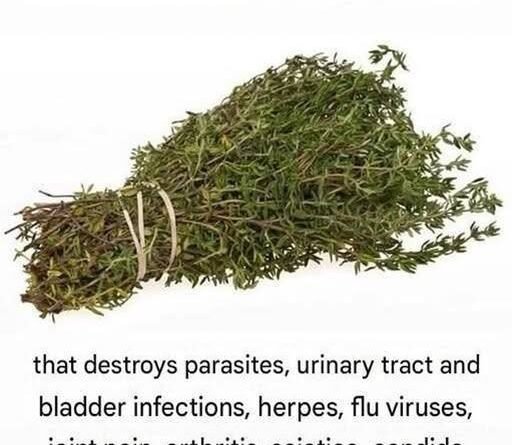
You have probably seen dramatic headlines claiming that one powerful herb can destroy parasites, cure urinary tract infections, wipe out herpes, and eliminate flu viruses. While those claims grab attention, they oversimplify complex medical conditions. Your health deserves clarity, not hype.
There is no single herb that can reliably “destroy” parasites, UTIs, herpes viruses, and influenza on its own. These conditions involve different pathogens—parasites, bacteria, and viruses—and each requires specific medical approaches.
However, some herbs do show antimicrobial or immune-supportive properties in laboratory studies. That does not make them miracle cures. Instead, they may offer supportive benefits when used appropriately and alongside proper medical care.
Let’s separate fact from fiction and explore what science actually says.
First: A Critical Reality Check
Parasites, urinary tract infections, herpes simplex virus, and influenza are serious medical conditions.
- UTIs are typically caused by bacteria such as E. coli and often require antibiotics.
- Herpes is caused by a virus that remains in the body and requires antiviral medications for management.
- Influenza is a viral infection that can lead to severe complications.
- Parasitic infections vary widely and often require targeted prescription treatments.
No herb, no matter how “potent,” can replace professional medical care for these conditions. Delaying proven treatment may lead to complications such as kidney infections, viral spread, or systemic illness.
That said, certain herbs have demonstrated antimicrobial activity in laboratory settings. Let’s look at what we actually know.
Commonly Cited “Super Herbs” and What Science Suggests
1. Oregano Oil
Oregano oil contains carvacrol and thymol, compounds that show antimicrobial effects in laboratory studies.
What research shows:
In test tubes, oregano oil has demonstrated activity against certain bacteria, fungi, and some parasites like Giardia.
What it does not prove:
There are no strong human clinical trials showing that oregano oil cures UTIs, herpes, influenza, or established parasitic infections.
Caution:
Oregano oil is highly concentrated and may irritate the digestive tract or skin. It is not appropriate for long-term or unsupervised use.
2. Garlic (Allicin)
Garlic contains allicin, a compound known for antimicrobial properties.
What research shows:
Laboratory studies indicate that garlic extracts can inhibit certain bacteria and fungi. Some research suggests immune-supporting benefits.
Limitations:
Eating garlic does not equal antibiotic-level treatment. While garlic may support general health, it cannot eliminate established viral infections like herpes or influenza.
Garlic may complement a healthy diet, but it should not replace medical care.
3. Cranberry (For Urinary Health)
Cranberry is frequently mentioned for urinary tract support.
What research shows:
Cranberry compounds may help prevent certain bacteria from adhering to the bladder wall. This may reduce the risk of recurrent UTIs in some individuals.
Important distinction:
Cranberry may help with prevention. It does not cure an active UTI. If you have symptoms like burning urination, fever, or back pain, seek medical care promptly.
4. Olive Leaf Extract
Olive leaf contains oleuropein, which shows antiviral and antibacterial activity in laboratory settings.
What research shows:
Some lab studies suggest activity against certain microbes. However, human evidence remains limited.
It may support general immune function, but it is not a substitute for antiviral medications.
5. Echinacea
Echinacea is widely used for immune support.
What research shows:
Some studies suggest echinacea may modestly reduce the duration of common cold symptoms. Evidence for influenza prevention or treatment remains limited.
Again, it may support immune response but does not destroy viruses.
Why “One Herb Cures All” Is Misleading
Parasites, bacteria, and viruses are biologically different.
- Bacteria respond to antibiotics.
- Viruses require antivirals or supportive care.
- Parasites require specific antiparasitic medications.
An herb that shows antibacterial activity in a lab does not automatically cure viral infections in humans. Laboratory studies do not always translate to real-world results.
Additionally, dosage, bioavailability, and safety matter. Many compounds that show activity in test tubes would require unsafe concentrations to replicate that effect in the human body.
Safe, Evidence-Based Ways to Support Your Health
While herbs cannot replace treatment, you can strengthen your overall resilience with proven strategies:
1. Support Immune Function Naturally
- Get adequate sleep
- Maintain balanced nutrition
- Stay hydrated
- Engage in moderate exercise
- Manage stress
A well-supported immune system functions more effectively than one relying on “miracle cures.”
2. Address UTIs Promptly
If you experience UTI symptoms, seek medical evaluation. Early treatment prevents complications. Drinking water and urinating regularly may help reduce risk, but antibiotics treat active infections.
3. Manage Herpes with Medical Guidance
Antiviral medications significantly reduce outbreaks and transmission risk. Lifestyle factors such as stress reduction and good nutrition may help reduce flare frequency.
4. Prevent Flu Through Vaccination and Hygiene
Vaccination remains one of the most effective tools against influenza. Handwashing and avoiding exposure during peak seasons also reduce risk.
When to See a Doctor
Seek medical attention if you experience:
- Painful urination with fever
- Severe abdominal pain
- Persistent flu-like symptoms
- Recurrent infections
- Signs of dehydration
- Unexplained gastrointestinal distress
Early treatment prevents escalation.
Final Thoughts
The idea of one “most potent herb” that destroys parasites, UTIs, herpes, and flu viruses sounds appealing. However, biology does not work that way.
Certain herbs, such as oregano, garlic, cranberry, olive leaf, and echinacea, show promising antimicrobial or immune-supportive properties in laboratory settings. Yet none can replace targeted medical treatments for serious infections.
Natural remedies can support health. They can complement medical care. But they are not miracle cures.
Your health deserves balanced, evidence-based decisions—not viral headlines. If you ever feel uncertain about symptoms or supplements, consult a qualified healthcare professional.
True wellness comes from informed choices, preventive care, and timely treatment—not from believing in a single “magic” solution.


No Responses Yet