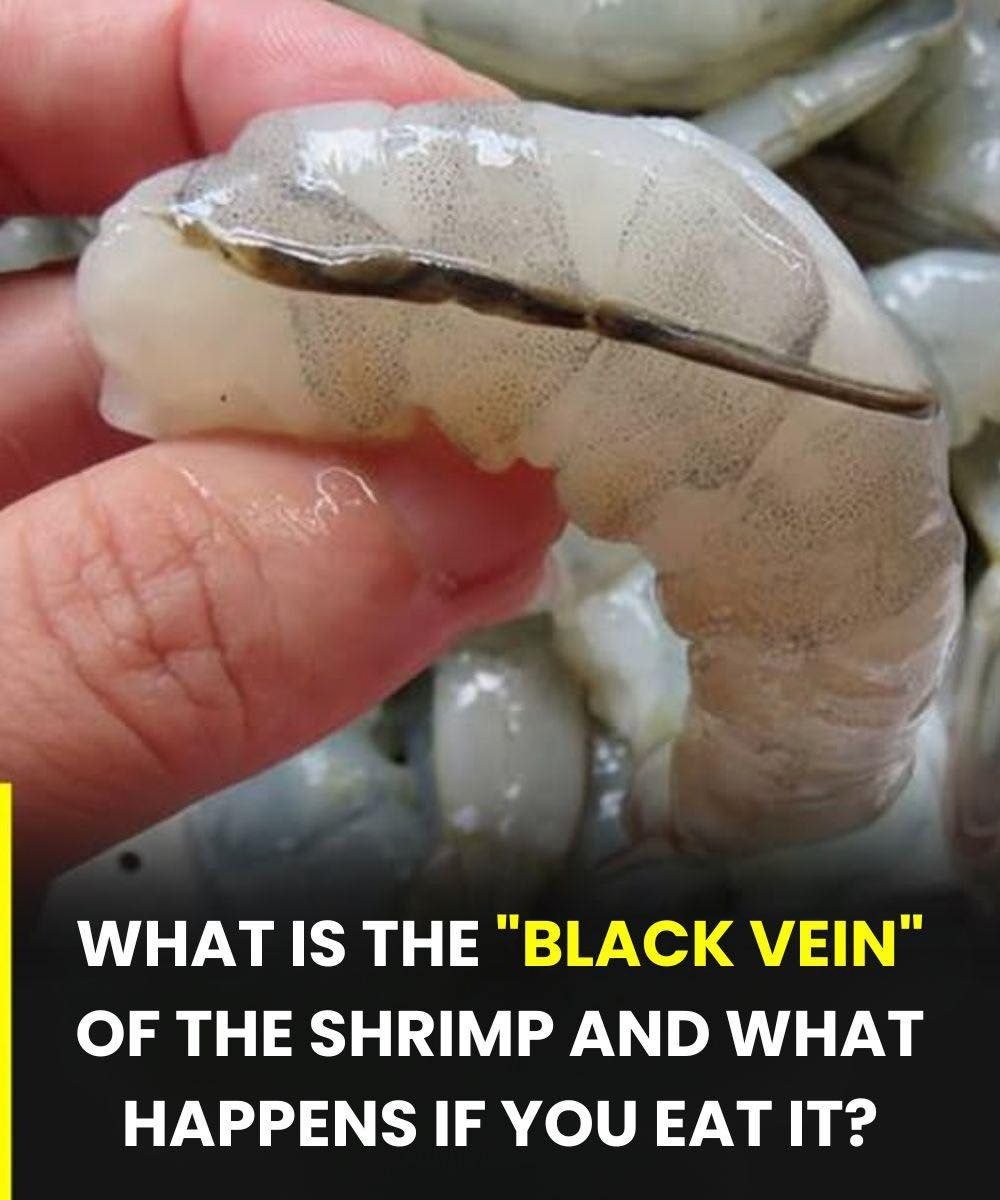
The “vein” of the shrimp is one of the most talked-about details in seafood preparation, yet it is also one of the most misunderstood. If you have ever cleaned shrimp at home or ordered a dish where the shrimp arrived perfectly pink and plump, you may have noticed a thin, dark line running along the back. Many people assume it is a vein and immediately wonder whether it should be removed. The truth is more nuanced, and understanding it can change how you cook and enjoy shrimp.
The “vein” of the shrimp is not a vein at all. Still, it sparks debate among home cooks and professionals alike. Some remove it every time, others rarely bother. The right choice depends on shrimp size, cooking method, texture preferences, and presentation goals. By learning what the “vein” of the shrimp actually is, you can make confident decisions in the kitchen instead of following rules that may not apply to your dish.
What the “Vein” of the Shrimp Really Is
It Is Not a Vein at All
Despite the name, the “vein” of the shrimp is actually the digestive tract. In simple terms, it is the shrimp’s intestine. The dark color comes from undigested material, often algae or plankton, that the shrimp consumed before being harvested. Shrimp do not have veins in the way humans do, so calling it a vein is technically incorrect.
Shrimp have an open circulatory system. Instead of blood flowing through closed veins and arteries, their hemolymph moves freely through body cavities. Because of this, there is no true vein to remove. Understanding this basic biology helps clear up much of the confusion surrounding the “vein” of the shrimp.
There is also a pale or white line along the underside of some shrimp. This is the nerve cord, not a vein or digestive tract. It is usually left in place and is not part of the deveining process.
Why It Looks the Way It Does
The appearance of the “vein” of the shrimp varies. In small shrimp, it may be barely visible or almost clear. In larger shrimp, it can appear thick, dark, and noticeable. This difference is one reason opinions vary so much about whether it should be removed.
Because the digestive tract can contain sand or grit, some people notice a slightly gritty texture if it is left in large shrimp. Others do not detect any difference at all. The visual aspect often matters just as much as taste, especially in dishes where shrimp are served peeled and prominently displayed.
Should You Remove the “Vein” of the Shrimp?
When Removing It Makes Sense
There are situations where removing the “vein” of the shrimp is recommended. Large shrimp, such as those labeled 26/30 count or bigger, often have a more pronounced digestive tract. In these cases, removing it improves both appearance and texture.
Presentation also plays a role. If you are serving shrimp peeled, butterflied, or featured on top of salads, pasta, or elegant appetizers, the dark line can be visually distracting. Many professional kitchens remove it for this reason alone.
Some people are sensitive to texture or flavor. While the digestive tract is harmless, it can sometimes taste slightly earthy or muddy. If you or your guests notice this, removing the “vein” of the shrimp is worth the extra step.
When It Is Safe to Leave It In
On the other hand, there are many situations where removing the “vein” of the shrimp is unnecessary. Small shrimp, such as salad shrimp or bay shrimp, have such tiny digestive tracts that they are barely noticeable. Removing them would take a great deal of time with little benefit.
If you are cooking shrimp in the shell, such as boiling or grilling, most people remove the shell before eating. In these cases, the digestive tract is rarely noticed. When making shrimp stock or broth, the shrimp are strained out anyway, so the “vein” adds no concern.
It is also important to understand that the digestive tract is not toxic. When shrimp are properly cooked, it poses no health risk. Removing it is a matter of refinement and preference, not food safety.
How the “Vein” of the Shrimp Affects Cooking
Texture and Flavor Considerations
The biggest impact the “vein” of the shrimp has on cooking is texture. In large shrimp, the digestive tract can become slightly firm when cooked, creating a contrast with the tender meat. Some people enjoy shrimp best when every bite is smooth, which is why they choose to remove it.
Flavor differences are subtle. Many people cannot taste any difference at all, especially when shrimp are seasoned or sauced. In simple preparations, such as lightly sautéed or grilled shrimp, sensitive palates may notice an earthy note if the tract is left in.
Knowing your audience matters. When cooking for guests, many cooks choose to remove the “vein” of the shrimp to avoid complaints or discomfort, even if they personally do not mind it.
Visual Impact on Finished Dishes
Appearance plays a surprisingly large role in how food is perceived. A clean, white-pink shrimp without a dark line often looks more appealing, especially in refined dishes. This is one reason restaurant kitchens often devein shrimp, even when it is not strictly necessary.
In rustic dishes, soups, stews, or heavily seasoned preparations, the visual impact is minimal. In these cases, leaving the “vein” of the shrimp intact can save time without affecting the overall dish.
I remember the first time I really noticed the debate around the “vein” of the shrimp. I was helping prepare a large family meal, cleaning pounds of shrimp at the kitchen counter. Half the group insisted every shrimp had to be perfectly deveined, while the other half said it was a waste of time. We ended up splitting the task, and later, no one could tell which shrimp had been cleaned more thoroughly. That moment taught me that many kitchen rules are more flexible than they seem, and understanding the reason behind them matters more than following them blindly.
How to Remove the “Vein” of the Shrimp Properly
The Classic Knife Method
The most common way to remove the “vein” of the shrimp is with a small knife. Start by peeling the shrimp, if desired. Then make a shallow cut along the back, following the curve of the shrimp. You will see the dark line exposed.
Use the tip of the knife to lift it out, or rinse it away under running water. This method works well for medium to large shrimp and gives you full control.
Tools and Shortcuts
A shrimp deveiner tool can make the process faster. These tools are designed to cut and lift the digestive tract in one motion. While not essential, they are helpful when preparing large quantities.
Some cooks also use a toothpick to hook and pull out the “vein” of the shrimp. This method works best on peeled shrimp and is surprisingly effective with a bit of practice.
No matter the method, the key is to be gentle. Cutting too deeply wastes meat and affects the shrimp’s shape.
Common Myths About the “Vein” of the Shrimp
It Is Not Dangerous
One of the most persistent myths is that the “vein” of the shrimp is unsafe to eat. This is not true. It is simply the digestive tract, and when shrimp are cooked, it poses no health risk.
Food safety concerns with shrimp relate more to freshness, proper storage, and thorough cooking than to whether the digestive tract is removed.
Deveining Is Not Always Required
Another myth is that shrimp must always be deveined to be considered properly prepared. In reality, many cuisines traditionally leave it in, especially for small shrimp or shell-on cooking.
Understanding when it matters allows you to work more efficiently and confidently in the kitchen.
Frequently Asked Questions
Is the “vein” of the shrimp harmful to eat?
No, it is not harmful when shrimp are properly cooked.
Why do some shrimp have darker veins than others?
The color depends on what the shrimp ate and its size.
Do restaurants always remove the vein?
Many do for appearance, but not all dishes require it.
Is the white line under the shrimp also removed?
No, that is the nerve cord and is usually left in place.
Does freezing affect the vein?
Freezing does not remove it, but it can make it easier to see.
Conclusion
The “vein” of the shrimp is a small detail with an outsized reputation. Understanding what it actually is and when it matters allows you to make informed choices instead of following myths. Whether you remove it or leave it in depends on size, presentation, and personal preference. By knowing the facts, you can focus less on worry and more on enjoying shrimp prepared exactly the way you like.


No Responses Yet