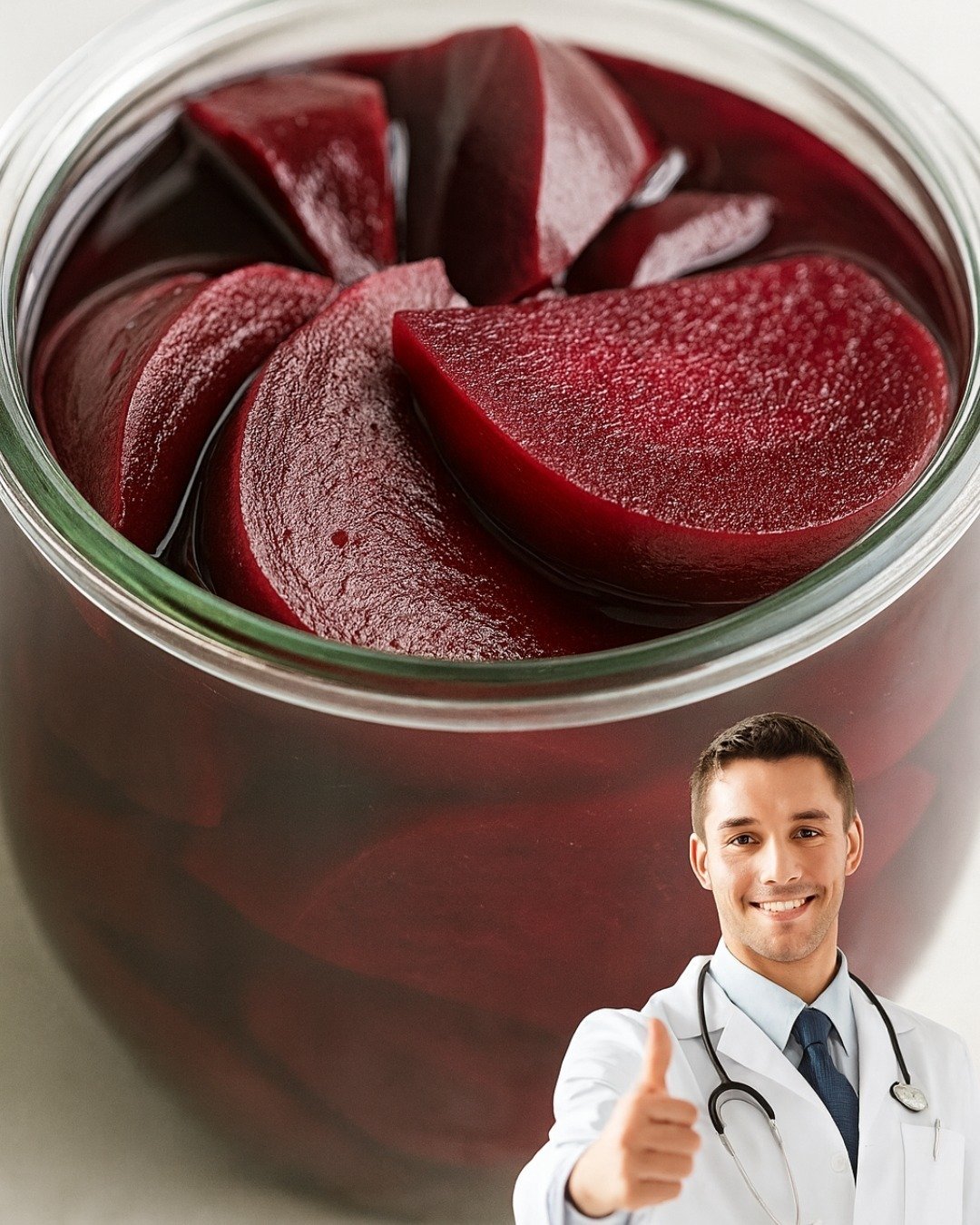
Beets are hard to ignore. Their deep ruby color, earthy flavor, and reputation as a nutrition powerhouse have earned them a loyal following. Still, bold headlines often exaggerate what beets can actually do. Doctors and nutrition experts agree that beets are incredibly healthy, but the real changes they cause in your body are gradual, realistic, and supported by science—not miracles.
When you start eating beets every day, several systems in your body respond in measurable ways. From circulation to digestion and exercise performance, the effects are subtle but meaningful, especially when beets are part of an overall balanced diet.
Here is what doctors say really happens when beets become a daily habit.
How Daily Beets Affect Your Circulation
Blood Pressure May Gently Improve
Doctors explain that one of the most consistent effects of eating beets every day involves blood flow. Beets are rich in naturally occurring nitrates. Inside the body, these nitrates convert into nitric oxide, a compound that helps blood vessels relax and widen.
As blood vessels become more flexible, blood flows more easily. This can lead to a modest reduction in blood pressure, particularly systolic pressure. Clinical research shows that the effect is real but mild. It works best as part of a heart-healthy lifestyle that includes balanced meals, movement, and medical care when needed.
For most people, this change happens gradually. It is not dramatic, but over time, even small improvements in blood pressure support long-term heart health.
Circulation and Oxygen Delivery Improve
Better blood vessel function means oxygen and nutrients reach tissues more efficiently. Doctors note that this improved circulation supports not only heart health but also brain function and muscle performance.
This is one reason beets are often discussed in relation to physical activity and endurance.
Beets and Physical Performance
Exercise Endurance May Increase
Eating beets daily may help your body use oxygen more efficiently during exercise. Nitric oxide improves blood flow to muscles, which can reduce the amount of oxygen required for the same level of effort.
Doctors explain that this effect is most noticeable during endurance activities like walking, cycling, or running. The improvement is not extreme, but many people report feeling slightly less fatigued during workouts.
This benefit tends to show up more clearly when beets are consumed consistently rather than occasionally.
Muscle Recovery Support
Beets contain antioxidants that help combat oxidative stress caused by exercise. Oxidative stress contributes to muscle soreness and fatigue. By reducing it, beets may support recovery, especially when paired with adequate protein and rest.
This does not replace proper training or recovery strategies, but it can complement them.
Digestive Changes You May Notice
Improved Gut Regularity
Doctors point out that beets are a good source of dietary fiber. When eaten daily, fiber supports regular digestion and helps maintain healthy gut bacteria.
Many people notice smoother digestion after adding beets to their meals. Fiber adds bulk to stool and supports consistent bowel movements, which is important for overall digestive health.
Temporary Color Changes
One change that often surprises people is beeturia, a harmless condition where urine or stool appears pink or red after eating beets. Doctors emphasize that this is normal and not a sign of blood or illness.
It happens because pigments in beets are not fully broken down during digestion. While it can be alarming at first, it is completely harmless.
Effects on Inflammation and Cellular Health
Antioxidant Protection
Beets contain betalains, powerful antioxidants responsible for their deep color. These compounds help neutralize free radicals, which are unstable molecules that contribute to inflammation and cellular damage.
Doctors explain that reducing oxidative stress supports long-term health, including heart and metabolic function. This benefit builds over time rather than appearing overnight.
Liver and Detox Pathway Support
Beets support the body’s natural detox systems by assisting liver enzymes that process waste. This does not mean beets “detox” the body in a dramatic way. Instead, they help the liver do its job more efficiently.
This subtle support is one reason beets are frequently included in whole-food–based wellness plans.
I first started eating beets regularly after adding roasted vegetables to my weekly meals. At first, it was just about flavor, but over time I noticed better digestion and steadier energy during workouts. The changes were not dramatic, but they were consistent. That experience matched what doctors describe: beets work quietly in the background, supporting the body without extreme effects.
When Eating Beets Every Day May Need Caution
Blood Pressure Medication Interactions
Because beets can slightly lower blood pressure, doctors advise caution for people already taking blood pressure medications. The combination may enhance the effect, which is not always desirable without medical guidance.
For most people, normal dietary amounts are safe, but communication with a healthcare provider is important if you are managing a condition.
Kidney Stone Considerations
Beets are high in oxalates, which can contribute to kidney stones in people who are prone to them. Doctors usually recommend moderation rather than avoidance in these cases.
Cooking beets and balancing them with calcium-rich foods may help reduce this risk.
Best Ways to Eat Beets Daily
Raw, Roasted, or Juiced
Doctors agree there is no single best way to eat beets. Raw beets retain all nutrients but can be harder to digest for some people. Roasting enhances flavor and makes them gentler on the stomach. Beet juice provides concentrated nitrates but lacks fiber.
Rotating preparation methods helps balance benefits and tolerance.
Pairing Beets With Other Foods
Eating beets with healthy fats improves nutrient absorption. Adding lemon juice or vinegar enhances both flavor and mineral availability.
Simple preparations make consistency easier, which matters more than perfection.
Frequently Asked Questions
Can I eat beets every day safely?
Yes, for most people, daily beets are safe and beneficial.
How long does it take to notice changes?
Some effects appear within days, while others take weeks of consistent intake.
Are pickled beets healthy?
Yes, but watch sodium levels if eating them frequently.
Is beet juice better than whole beets?
Both are beneficial. Whole beets provide fiber, while juice delivers concentrated nitrates.
Do beets help with energy levels?
Yes, improved circulation can support steadier energy, especially during activity.
Conclusion
When you start eating beets every day, doctors explain that your body responds in steady, realistic ways. Blood flow improves, digestion becomes more regular, exercise may feel easier, and antioxidant protection increases. These changes are not instant cures, but they add up over time.
Rather than living up to extreme headlines, beets earn their reputation through consistency. Simple, affordable, and versatile, they support your body quietly and effectively when included as part of a balanced diet.


No Responses Yet